




1. Type 1 diabetes requires extensive self-management skills, including handling hypoglycemia, sick days, exercise, and alcohol consumption.
2. Effective self-management involves understanding blood glucose targets, insulin function, and carbohydrate content of meals.
3. SGH offers SgDAFNE, a structured education program for self-management and advanced carbohydrate counting for type 1 diabetes patients.
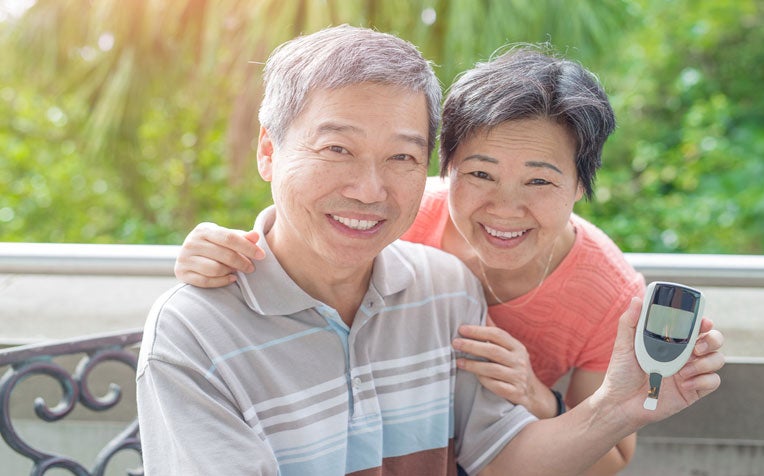
Type 1 diabetes can be managed with some changes.
As the individual with type 1 diabetes has to make a decision about his/her mealtime insulin doses at every single meal/snack, it is important that he/she is equipped with the knowledge and skills for self-management.
This would include knowing how to deal with situations like:
”Most individuals with type 1 diabetes spend only a sum total of 4 hours on healthcare professional encounters per year. The rest of the time, they are left to self-manage and make decisions on a daily basis, 24 hours of the day. Knowing how to self-manage proficiently becomes crucial,” says Dr Daphne Su-Lyn Gardner, Senior Consultant from the Department of Endocrinology at Singapore General Hospital (SGH), a member of the SingHealth group.
How to self-manage type 1 diabetes well
In order to effect self-management well, the person with type 1 diabetes needs to know:
- What blood glucose targets they ought to aim for pre-meals
- How their insulin works to lower their blood glucose level
- The carbohydrate content of their food and the amount of quick-acting insulin required to cover this
This is because carbohydrates are the main macronutrient that result in increased glucose levels post-meals. Hence, knowing exactly how much carbohydrates are in each meal becomes important for deciding on the mealtime quick-acting insulin dose.
SgDAFNE (Dose Adjustment For Normal Eating)
Singapore General Hospital (SGH) conducts a structured education programme in both self-management and advanced carbohydrate counting known as the SgDAFNE (Dose Adjustment For Normal Eating) course. It is currently the only centre in Asia that runs this programme. This course is accessible to all those with type 1 diabetes.
Ref: O17
Contributed by


Stay Healthy the Easy Way
Get trusted health advice, offers and more.

Get the Health Buddy App


Follow HealthXchange

