





1. A healthy blood pressure (BP) reading should be lower than 120/80 mmHg. High-normal blood pressure is between 130-139 mmHg (systolic) and 80-89 mmHg (diastolic). High blood pressure is 140 mmHg and above (systolic) and 90 mmHg and above (diastolic).
2. Blood pressure fluctuates with the time of day, physical activity and emotions. Therefore, blood pressure readings should be taken under resting conditions and on more than one occasion.
3. You should check your blood pressure at least once a year. Marginally elevated blood pressure may normalise when you lose weight, exercise more, and adopt a healthy diet by increasing your intake of fibre-rich food, lean meat, fish and low-fat dairy products. Avoid foods high in cholesterol and saturated fats such as animal fats, whole milk products, eggs, red meat such as beef and lamb, coconut milk and palm oil, and cut back on salty foods as well. Other lifestyle measures include limiting alcohol consumption and quitting smoking (if you are a smoker).
If these measures are unsuccessful in lowering your blood pressure, then drug treatment may be needed. Once medication has been started, it is essential to continue with the treatment, complemented by a healthy lifestyle. Treatment of high blood pressure (hypertension) for most people is lifelong.
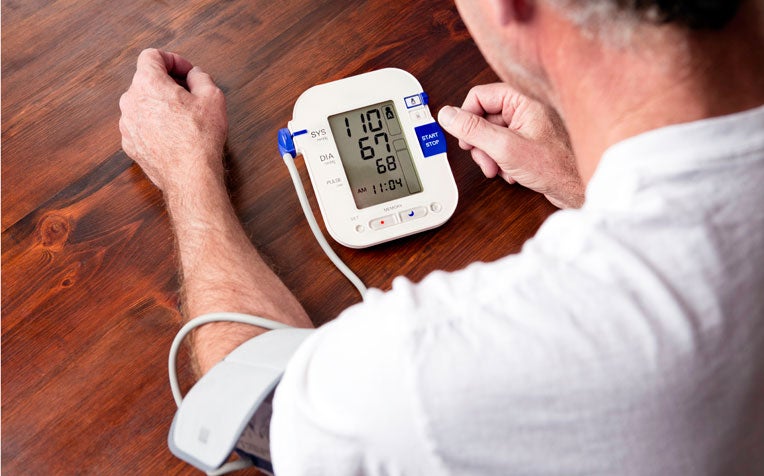
Blood pressure in an adult is considered normal when readings are lower than 120/80 mmHg.
What is considered a normal blood pressure reading can vary depending on a person's age, health conditions, medications, and measurement conditions.
It is essential to note that one unusual reading does not necessarily confirm high or low normal blood pressure. Repeated readings taken correctly over time provide a more reliable picture. If you are unsure about your reading, consult your doctor or healthcare team.
What is a normal blood pressure reading?
A healthy blood pressure reading should be lower than 120/80 mmHg. Normal blood pressure is less than 120 mmHg systolic and 80 mmHg diastolic, and may vary from 90/60 mmHg to 120/80 mmHg in a healthy young woman. A blood pressure of 140/90 mmHg or higher indicates high blood pressure (hypertension).
As you may notice, blood pressure (BP) readings are expressed as the ratio of systolic pressure (the first number, or numerator) to diastolic pressure (the second number, or denominator). A blood pressure of 120/80 mmHg (millimetres of mercury) is expressed verbally as 120 over 80.
Blood pressure chart: Normal, high and low readings
Categories for Blood Pressure Levels in Adults
|
||||
| Blood Pressure Category | Blood Pressure (mmHg) |
Recommended Next Step | ||
| Systolic | Diastolic | |||
| Low Blood Pressure | < 90 | < 60 | Check for noticeable signs and low blood pressure symptoms that require medical attention (dizziness, fainting, nausea, blurred vision, etc.) | |
| Normal Blood Pressure | < 120 | and | < 80 | Maintain healthy lifestyle habits |
| Elevated BP | 120 - 129 | and | < 80 | Maintain healthy lifestyle habits |
| High-Normal BP | 130 - 139 | or | 80 - 89 | Monitor regularly and adopt healthy habits |
| Grade 1 Hypertension | 140 - 159* | or | 90 - 99 | Seek medical assessment promptly |
| Grade 2 Hypertension | 160* | or | 100 | Seek medical assessment promptly |
| * Isolated Systolic Hypertension | > 140 | and | < 90 | Seek medical assessment promptly |
Note: These classifications are a general guide and may apply to both home and clinic readings. However, readings taken at home and in a clinic may differ due to stress, activity level, or measurement conditions. When systolic and diastolic blood pressures fall into different categories, the higher category should be used to classify blood pressure level. For example, 160/80 mmHg would be stage 2 hypertension (high blood pressure).
*Isolated systolic hypertension is graded according to the same level of systolic BP.
Source: MOH Clinical Practice Guidelines 2/2005
What do the two blood pressure numbers mean?
Your blood pressure reading consists of two numbers:
1. Systolic Blood Pressure
Systolic pressure, or the numerator, is the blood pressure in the arteries that occurs when your heart contracts, pushing blood out.
2. Diastolic Blood Pressure
When your heart relaxes between beats, blood pressure in the arteries falls. This is the diastolic pressure (denominator). Diastolic blood pressure can increase with age as a result of stiffening arteries.
What to do after checking your blood pressure
Once you have taken your blood pressure reading, here is what you can do:
- If you have been given a personal blood pressure target by your doctor, use their recommendation as a guide rather than relying solely on the general chart.
- Do not panic over one unusual reading. A single result is not enough to confirm high or low blood pressure.
- Rest and repeat the measurement correctly if the reading seems unexpectedly high or low.
- Record the date, time, and result after each measurement.
- Review the pattern across multiple readings. A trend over time is more meaningful than any single result.
- Speak to a healthcare professional if readings remain consistently outside the normal blood pressure reading range.
Home readings may differ from clinic readings due to stress, activity level, or measurement conditions. Neither is necessarily wrong, as both provide useful information when reviewed together.
High blood pressure is often called a "silent condition" because it often causes no obvious symptoms. Being aware of common misconceptions can help you respond to your readings more accurately. Learn more about high blood pressure myths that may affect how people assess their own condition.
How to measure blood pressure (BP) correctly at home?
You can measure your own blood pressure at home with a digital blood pressure monitor available at most pharmacies. Read the instructions carefully. You may wish to calibrate your reading with your family doctor. The right time to take the blood pressure measurement is when you are at rest.
Watch this video to learn how!
Below are some tips to help you arrive at a more accurate blood pressure reading:
1. Before measuring
- Check and ensure the accuracy of your device by having its readings compared with clinic readings.
- Avoid measuring immediately after exercise
- Avoid caffeine, smoking, or a heavy meal shortly before measuring
- Empty the bladder if necessary
- Sit quietly and rest before starting
- Use the correct cuff size
2. While measuring
- Sit in a comfortable position
- Keep both feet flat on the floor.
- Do not cross the legs.
- Place your left arm, raised to the level of your heart, on a table or desk, and sit still
- Remain still and avoid talking.
- Take the recommended number of readings.
3. After measuring
- Record the date, time, and readings
- Measure under similar conditions when possible
- Bring the record to medical appointments
- Ask a healthcare professional to check the monitor and cuff fit if needed
Why does blood pressure change throughout the day?
Fluctuating blood pressure throughout the day is normal.
"Your BP (blood pressure) doesn’t stay constant throughout the day. It is lowest when you’re sleeping, and rises when you get up and start moving about. It can also go up when you are excited, nervous or physically active," shares Assistant Professor Calvin Chin, Senior Consultant from the Department of Cardiology at National Heart Centre Singapore (NHCS), a member of the SingHealth group.
Other factors that may temporarily affect blood pressure changes include:
- Physical activity
- Stress or anxiety
- Pain or illness
- Caffeine
- Smoking
- Certain medications
- Body position
- Time of day
- Incorrect measurement technique
Because of these natural fluctuations, a single reading may not provide a complete picture. Repeated blood pressure readings taken under similar conditions over time are more useful and reliable.
What to do when blood pressure Is high?
"Most times, you will not have any symptoms unless your blood pressure is very high. If your blood pressures are persistently very high (for instance, systolic blood pressure >180mmHg), you should seek medical attention even if you feel well," advises Asst Prof Chin.
Uncontrolled blood pressure in this range can be severe and have adverse consequences such as stroke, loss of consciousness, and damage to kidneys, eyes and the heart.
If your blood pressure is mildly elevated
Doing the following can help manage blood pressure:
Exercise regularly (aim for 150mins of moderate to vigorous activity a week or 30 mins daily)
- Eat a well-balanced diet
- Lower your sodium intake
- Increase your intake of fibre-rich food
- Limit fat intake
- Limit alcohol consumption (one standard drink per day)
- Lose weight (if medically recommended)
- Reduce your stress levels
- Quit smoking (if you haven't done so)
- Medications may be prescribed by your doctor
These important lifestyle changes may help lower your blood pressure and improve your overall heart health.
Furthermore, if one reading is higher than expected, sit quietly and rest, check the cuff position, repeat the measurement correctly, and record the result.
If readings are repeatedly high
If your blood pressure readings are repeatedly high, it is best to arrange a medical assessment and bring a record of home readings to your doctor. You can also discuss your lifestyle and habits with your healthcare professional, such as diet, exercise, sleep, stress, alcohol and smoking.
What is considered low blood pressure?
Blood pressure is often described as low when it falls below 90/60 mmHg. However, there's no fixed number that determines when a reading becomes too low. What matters more is whether it comes with noticeable symptoms.
For some healthy or physically active individuals, a naturally lower blood pressure reading is typically normal and doesn't need any treatment on its own.
However, a low blood pressure reading may need medical attention if it comes with symptoms such as dizziness, fainting, blurred vision, weakness, nausea, or difficulty concentrating. These symptoms happen when there is inadequate blood flow to an individual’s vital organs.
If you're experiencing low blood pressure symptoms regularly, it's worth seeking guidance from a health professional to learn about the possible causes and how it can be managed.
How to maintain a normal blood pressure?
Keeping your diet heart-healthy can help manage blood pressure and reduce heart attack risk. Some foods to lower blood pressure include fibre-rich foods, fruits, vegetables, whole grains, low-fat dairy products, nuts and legumes, among others. Limit your intake of alcoholic beverages, sodium, fatty and processed meats, and items with added sugar.
Engaging in physical activity may also help control healthy blood pressure, promote weight loss, and reduce stress.
Blood pressure and other heart health risk factors
High blood pressure that isn't well managed can, over time, contribute to other health concerns, particularly those affecting the heart and kidneys. With proper management, these risks may be reduced.
Furthermore, high blood pressure is also rarely an isolated issue. It often occurs alongside other risk factors, such as high cholesterol levels and diabetes, which is why it helps to look at heart health as a whole, rather than focusing on just one number.
Other risk factors are also family history (if your close relatives or parents have high blood pressure), age, and lack of physical activity.
When to see a doctor for your blood pressure?
Blood pressure readings are most meaningful when measured correctly and reviewed over several readings, rather than relying on a single check.
If your readings stay consistently high or low, change significantly, or occur alongside symptoms that concern you, it's best to speak with a doctor for proper evaluation and guidance.
Ref: M19 (seo)
Related articles:
Top Misconceptions About High Blood Pressure
3 Foods to Avoid to Prevent High Blood Pressure
4 Foods to Eat to Bring Down High Blood Pressure
5 Ways to Lower Blood Pressure Naturally
How High Blood Pressure Affects Men and Women Differently
Pre-Hypertension: How to Know If You Have It
Exercise the Right Way: Exercise Tips to Lower Blood Pressure
Contributed by


Related Articles


Stay Healthy the Easy Way
Get trusted health advice, offers and more.

Follow HealthXchange

