





Finding the right foods for high blood pressure does not have to be stressful. Here are a few simple tips to get you started on your diet for high blood pressure:
- Focus on 4 key food categories: high-fibre foods, potassium-rich foods, magnesium-rich foods, and low-sodium diets.
- Keep an eye on your salt intake, as excess sodium puts extra pressure on your blood vessels.
- The DASH (Dietary Approaches to Stop Hypertension) diet focuses on fruits, vegetables, whole grains, and low-fat dairy while cutting back on red meat, saturated fats, sugary drinks, and salt.
- Limit excess sodium, alcohol, and fatty foods.
- Managing your weight helps lower blood pressure, too. Always chat with a healthcare professional for advice tailored to you.

High-fibre foods like fresh fruit and vegetables are great for keeping your blood pressure in check. The Health Promotion Board recommends getting at least 2 + 2 servings of fruit and vegetables every day.
Back in 2020, 1 in 2 Singaporean adults had undiagnosed high blood pressure, and rates rose by 1.5% between 2020 and 2022.
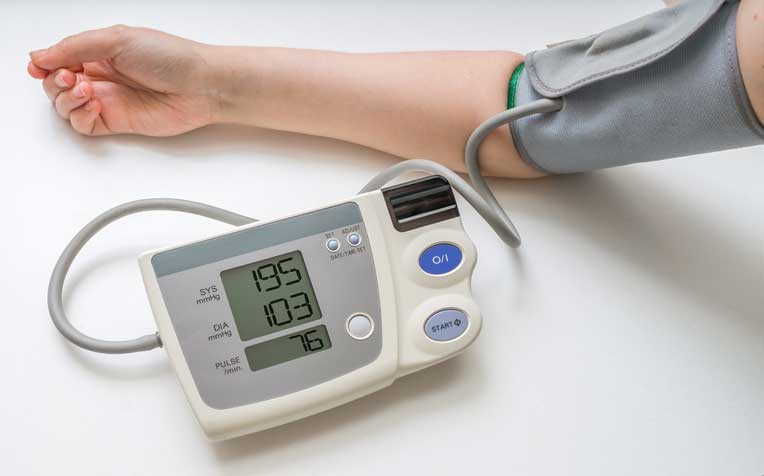
High blood pressure, also known as hypertension, can feel like an abstract problem until it hits close to home.
The good news is that what you eat makes a real difference. By watching what you eat, you can directly impact your blood pressure.
If you aren't sure where to begin, this guide will help kick-start your hypertension diet.
Mr Gary Chiah, Senior Dietitian at the Department of Dietetics at Singapore General Hospital (SGH), a member of the SingHealth group shares tips on the best foods to lower high blood pressure.
Foods that help lower blood pressure (BP)
1. Magnesium-rich foods
Magnesium helps relax your blood vessels and lower blood pressure. Green leafy vegetables, seeds, and nuts like almonds, cashews, sunflower seeds, and pumpkin seeds are full of magnesium and healthy fats.
You do not need supplements; just include these foods in your daily meals.
Local favourites include black sesame, spinach (bayam), mackerel (ikan tenggiri), peanuts, and chapati.
For leafy greens and soy options, try Tau Kwa (firm tofu) and Tempeh, which provide roughly 78mg of magnesium per serving.
Snacking on a small handful (about 28g) of pumpkin seeds (kuaci) or sunflower seeds provides an impressive 150mg to 168mg of magnesium.
What Is the DASH diet?
To help tackle rising rates of hypertension, the National Institutes of Health (NIH) created the DASH diet back in 1997.
It focuses on nutrient-rich foods packed with potassium, calcium, magnesium, protein, and dietary fibre, while cutting out high-sodium items, sugary drinks, and processed foods to help stabilise blood pressure.
Studies focusing on Asian populations show that following the DASH diet alongside regular exercise helps lower the risk of coronary artery disease and stroke mortality.
In Singapore, these elements were adapted into the Health Promotion Board's My Healthy Plate campaign.
Practical eating tips for high blood pressure (hypertension)
Managing your blood pressure goes beyond what is on your plate; it involves everyday lifestyle choices. Here are some simple tips:
- Choose fresh food over processed options so you can control your portions at home.
- Cut down on bakery buns, lard, fatty meats, and deep-fried foods to less than twice a week. Focus on leafy greens, tofu, and brown rice, and choose steamed or raw options instead of frying.
- Reduce your intake of egg yolks and related products, and limit shellfish and organ meat to twice a week or less.
- Swap biscuits and junk food for fresh fruit, nuts, carrot sticks, celery, or cucumber.
- Explore alternative calcium sources like soy products, low-fat milk and yoghurt, canned fish in water, anchovies, and unsalted almonds.
Foods to limit with high blood pressure
Excessive sugar, salt, and fat make up the core of foods to avoid with high blood pressure, alongside drinking too much alcohol.
These often turn up in fast food and processed meats like hot dogs, luncheon meat, ham, sausages, bacon, and dried fish. High in sodium and MSG, they can easily push up your blood pressure.
Choose your foods wisely and stick to a doctor-approved hypertension diet.
Can diet alone manage high blood pressure?
High blood pressure (hypertension) has no permanent cure. Because it develops over time due to genetics and lifestyle factors, managing it requires a combination of habit changes and medical treatment; diet alone is not enough.
When managing high blood pressure naturally, making healthy lifestyle choices is key.
Walking regularly is a great place to start. In time, you can introduce strength training and other exercises, as long as it is safe for your health.
Aim for quality sleep, drink plenty of water, limit or avoid alcohol, and steer clear of smoking.
Remember that these steps work best alongside medical supervision, so always consult your doctor.
High blood pressure management: Food + lifestyle change + medical treatment
The 2024 National Population Health Survey reported a 3.8% decline in hypertension cases in Singapore.
This shows that with the right mix of a heart-healthy diet, consistent lifestyle changes, and proper medical care, hypertension can be managed effectively.
Ref: F26 (seo)
Related articles:
Hypertension: Understanding Blood Pressure Ranges
High Blood Pressure: Top 5 Myths
High Blood Pressure: 8 Ways to Lower It Naturally
4 Effective Exercises to Reduce High Blood Pressure


Stay Healthy the Easy Way
Get verified health advice, offers and more.

Follow HealthXchange

