






- Good sleep is vital part of healthy aging – Adults, including seniors, generally need 7–9 hours of sleep.
- With the right habits, environment and professional guidance when needed, most seniors can enjoy restful nights again.
- One simple lifestyle change that can improve sleep is to maintain a regular sleep schedule.
- Getting regular, full good night’s sleep mean you have better ability to function during the day and fully enjoy your daily activities.
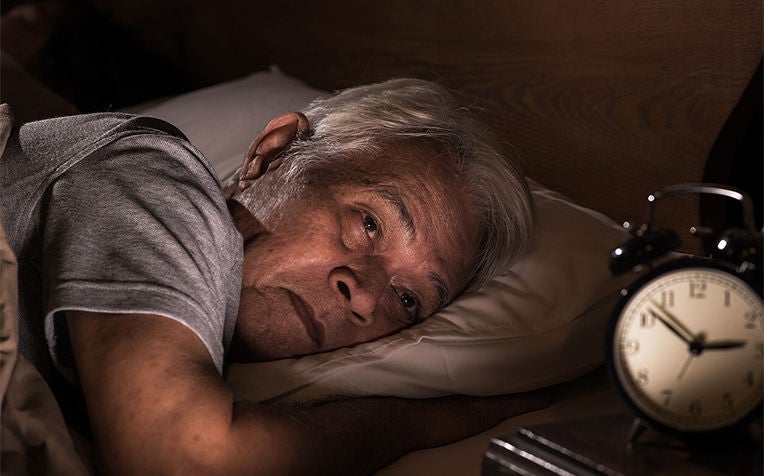
Insomnia in seniors can be caused by poor sleeping habits.
If you’re out and about very early in the morning, you might have seen seniors taking a stroll, doing tai chi, or heading to the wet market. It often seems like older adults need less sleep than younger people. But is this really true? And what can you do if you find yourself tossing and turning at night?
Doctors from the Sleep Medicine Clinic at Sengkang General Hospital (SKH), part of the SingHealth group, share what you need to know.
Do seniors really need less sleep?
Many people believe that older adults ‘need less sleep’. This is not quite true.
Most healthy adults, including seniors still need about 7 - 9 hours of sleep every night to be able to rest well and function optimally the next day.
During this time, we cycle through light sleep, deep sleep, and dream sleep (REM sleep) several times a night.
"Most adults go through 4-6 sleep cycles per night in a 7-8 hour sleep. Each cycle includes light sleep (N1, N2), deep sleep (N3) and REM sleep – with each cycle lasting about 90-120 minutes," explained Dr Phua Chu Qin, Senior Consultant from the Department of Ear Nose & Throat (ENT), Head and Neck Surgery at Sengkang General Hospital (SKH), a member of the SingHealth group.
"Light sleep is where the body relaxes and prepares to transition into deeper sleep. They make up 50-60% of your total sleep. Deep sleep is where restorative sleep happens, during which tissue repair occurs and immune system strengthens. REM sleep is when dream happens and when the brain consolidates memory," she added.
As a person gets older:
- He/she spends more time in light sleep and less in deep sleep (less N3 deep sleep).
- Many wake up more often during the night.
- Body clocks shift earlier, so seniors may have earlier bedtimes and wake earlier in the morning.
Whilst total sleep time for seniors does not reduce drastically, sleep does become lighter, more fragmented and sometimes less satisfying.
How many times 'waking up at night' is considered too many?
"It is normal to wake up briefly 1-2 times per night. If you are able to fall back asleep within a few minutes, this is normal," Dr Phua said. "However, if you wake up more than 3-4 times a night and struggle to go back to sleep even after 20 - 30 minutes and feel tired the subsequent day, this may indicate a sleep problem such as insomnia, obstructive sleep apnoea (OSA) or a medical problem," she added.
To know if it is a sleep issue or other health issues that are keeping you awake, Dr Phua advised,
- You know you have a prostate or bladder problem: If the need for waking up frequently to pee keeps you awake
- You know you have a pain problem: If you are kept awke or struggle to fall into sleep due to pain e.g. back pain, arthritis
- You know you have a reflux or gastric problem: If you get woken up by gastric pain
How do I (as a senior) know if I have insomnia?
Most seniors believe that poor sleep is just part of aging. But you may be suffering from insomnia if you:
- Struggle to fall asleep even when very tired
- Wake up many times during the night and find it difficult to fall back into sleep
- Wake up too early in the morning
“Insomnia means having trouble sleeping, even when you have the chance to sleep. All of us can have the occasional bad night of sleep and that is normal. However, if you are having bad sleep at least a few nights a week, for weeks to months, and it is affecting your energy, mood, daily life, that is when we call it an insomnia disorder,” Dr Phua explained.
For tips on how to prevent insomnia, check out this article.
Dangers of chronic insomnia
Chronic insomnia can cause many problems including:
- Increases the risk of falls and accident
- Worsens high blood pressure (hypertension) and heart health
- Causes poor mood, poor memory and concentration
It is also important for seniors to understand that sometimes, poor sleep is a signal that something else in the body needs attention such as pain, mood, thyroid or breathing issues. Fixing the sleep, can often improve your energy, memory, mood and your ability to enjoy your daily life.
5 Practical ways to help cope with insomnia yourself
1. Maintain a regular sleep schedule
Go to bed and wake up at the same time everyday, even on weekends.
Consistency helps your body clock stay steady, such that when it reaches your usual bedtime, you are more likely to feel sleepy and therefore get into sleep easier.
2. Create a good sleep environment
Having a bedroom that is dark, quiet and cool can help with your sleep. Use comfortable bedding, avoid bright lights from electronics or outside the window (consider using blackout curtains if necessary).
3. Limit daytime naps
Avoid excessively long naps, especially in the late afternoons and evenings.
If you need to nap, keep it short, around 20-30 mins in the early afternoon. Late naps can make it harder to fall asleep at night.
4. Stay active during the day
Engage in moderate exercise during the day, such as walks and aerobic exercises can help decompress the mind, improve mood and help you transition into sleep at night.
5. The bed is only for sleep
Avoid using the bed for work, checking emails, using your mobile phone or watching TV.
It is important to separate work or engaging activities from rest. This is about conditioning. Overtime, your brain learns to associate bed with sleeping.
If you struggle to fall asleep after 20 minutes, get up and do something relaxing like stretches or simple reading until you feel sleepy again. Avoid worrying in bed.
When to seek help for insomnia?
Everyone has an occasional bad night of sleep from stress, aches, noise, or from emotions following day time happenings.
However, insomnia can become a medical issue when the occasional poor sleep turns from short-term nuisance into something that affects your daily life and health.
If you find yourself:
- Having trouble falling asleep,
- Waking up too often in the middle of the night or
- Waking up too early in the morning and can't get back to sleep, and
- This happens at least 3 nights a week for more than 3-4 weeks,
You should consider seeing a doctor about it.
This is especially if you feel tired, irritable and forgetful during the day, or if you find yourself napping a lot or dozing off during conversations or when watching TV.
Why it is important for seniors to seek help for insomnia
Most seniors believe that poor sleep is just part of aging. But chronic insomnia can cause many problems including:
- Increase risk of falls and accident
- Worsened high blood pressure, heart health
- Poor mood, poor memory and concentration
It is also important for seniors to understand that sometimes, poor sleep is a signal that something else in the body needs attention such as pain, mood, thyroid or breathing issues.
Fixing the sleep, can often improve your energy, memory, mood and your ability to enjoy your daily life.
Why seniors struggle with sleep
Sleep difficulties is common in older adults. About half of people over 65 say they don’t sleep well several times a month.
While changes in sleep are common with aging, poor sleep should never be brushed off as “normal.” Common causes include:
- Sleep habits: Irregular sleep hours, alcohol before bed, or too many naps.
- Medical conditions: Pain, arthritis, reflux/heartburn, anxiety, prostate problem can cause people to stay awake during the night and have disrupted sleep.
- Sleep disorders: Conditions like sleep apnoea, restless legs syndrome or periodic limb movement disorder can prevent restful sleep.
- Medications: Common prescriptions for blood pressure, cholesterol, heart problems, or even pain relief can cause awakening and affect sleep.
- Stress and emotions: Worry, grief, or financial stress may lead to insomnia.
- Environmental factors: Noise, excess light (from electronics or room light), uncomfortable bedding and excess heat can affect sleep quality.
- Sedentary lifestyle: Less physical activity after retirement can make it harder to feel tired at night.
- Other factors: Shift work, frequent travel, depression, anxiety, or alcohol use.
Why good sleep matters
Quality sleep is essential at every age. For seniors, good sleep:
- Boosts concentration and memory
- Helps the body repair and strengthen the immune system
- Reduces the risk of falls from daytime drowsiness
Without enough restful sleep, seniors are more prone to depression, memory lapses, high blood pressure and accidents. Getting good sleep is just as important as eating well and staying active
Bottom line: Poor sleep is not something to ignore. With the right habits, medical support, and awareness, seniors can enjoy healthier, more restful nights.
Ref: G25
Related articles:
Snoring: What to Do and When to See a Doctor
8 Easy Exercises to Stop Snoring
.jpg)


Stay Healthy the Easy Way
Get trusted health advice, offers and more.

Follow HealthXchange

