






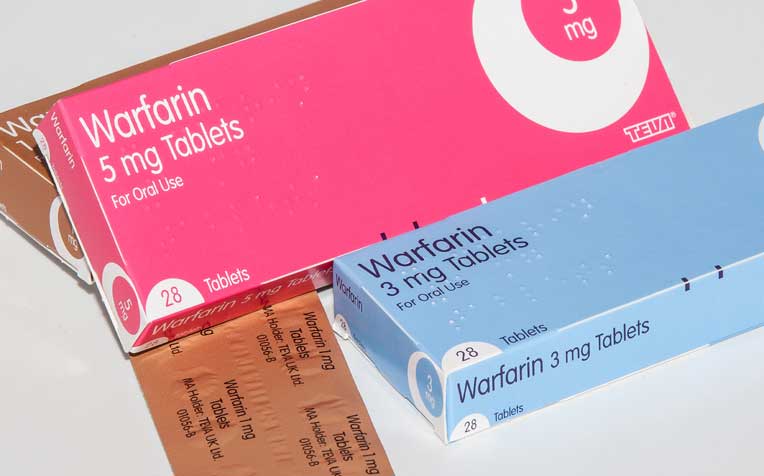
Inform your healthcare providers if you are taking warfarin and supplements.
Taking warfarin? Using supplements without telling your doctor or pharmacist could put your health at risk
Up to 42 per cent of patients taking warfarin, a blood thinner, used herbal or health supplements at the same time.
Mixing and not informing
Out of 100 patients surveyed who were taking warfarin, a blood thinner to prevent stroke and heart attack (myocardial infarction) - 42 took supplements such as Traditional Chinese Medicines, omega-3 fatty acids and glucosamine which could potentially interact with warfarin.
“What was of concern was that close to 60 per cent of these patients who were taking supplements did not inform their healthcare professionals and many of them were elderly patients who may be more sensitive to the effects of warfarin,” says lead author Bandy Qiuling Goh, Clinic Pharmacy Manager, from the Department of Pharmacy, SingHealth Polyclinics (SHP), a member of the SingHealth group.
Why patients failed to inform their healthcare providers despite knowing that they should
- Since they felt well after taking the supplements, they perceived the supplements to be safe for consumption.
- They thought it was not important because their healthcare providers didn’t ask them about it.
- They were afraid that the healthcare provider might ask them to stop taking their supplements.
- They assumed that healthcare providers were not concerned with the use of ‘non-prescription’ supplements.
More harm than good
In fact, warfarin and supplements can interact in many ways. The interactions may increase the risk of bleeding with warfarin or cause warfarin to be ineffective.Below is a list of herbal/health supplements that can interact with warfarin. This list is not exhaustive.
Alfalfa | Coleus | Ginseng (Panax) | Prickly ash |
Anise | Cordyceps | Ginseng (Siberian) | Red clover |
| Bilberry | Cranberry | Glucosamine | Reishi |
| Bladderwrack | Dan Shen (Salvia Species) | Grapeseed | Rhubarb |
| Bromelain | Dong Quai | Green tea | Saw palmetto |
| Capsaicin | Evening primrose oil | Guggul | St John’s wort |
| Cat’s Claw | Fenugreek | Horse chestnut seed | Sweet clover |
| Celery | Fish oils (Omega-3 acids) | Horseradish | Turmeric |
| Chamomile | Garlic | Kava | Vitamin A |
| Cinchona | Ginger | Licorice | Vitamin E |
| Clove oil | Gingko biloba | Melatonin | Vitamin K |
| Coenzyme Q-10 | Ginseng (American) | Papain | White willow |
Source: “MOH Clinical Pharmacy Practice Guidelines: Anticoagulation – Warfarin (2006)” & “Drug Information Handbook (International) 18th edition (2009)”.
Patients on warfarin may not be aware of the potential risk of interaction with supplements because they perceive the use of supplements to be innocuous. The study authors advised patients taking warfarin to consult their healthcare provider before taking any supplements, and for the healthcare provider to always educate patients who are on warfarin about the dangers of self-medication with over-the-counter herbs and supplements.
Ref: T12


Stay Healthy the Easy Way
Get trusted health advice, offers and more.

Follow HealthXchange

