






1. Wisdom tooth (wisdom teeth) that are impacted (impacted wisdom teeth) need to be removed as it can potentially cause problems such as a painful gum inflammation and infection, tooth decay and dental cyst formation.
2. Wisdom tooth surgery involves cutting the gums to expose the impacted wisdom tooth (impacted wisdom teeth) and the bone, dividing it and removed completely, then the gums are stitched back up into their original position.
3. Post-surgery care for wisdom tooth surgery involves taking the prescribed medication to minimise swelling, pain and discomfort. You should also maintain good oral hygiene, avoid strenuous exercise and smoking. Discomfort and swelling from the procedure should last between 3 to 5 days.
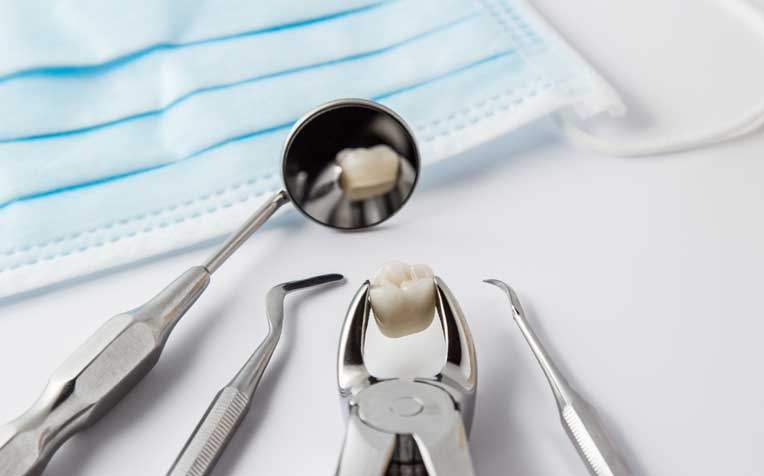
Wisdom teeth are the third last permanent molars.
Mention wisdom tooth surgery and people usually wince.
Many avoid seeing a dentist until the pain in their wisdom tooth (wisdom teeth) becomes unbearable, but such delays can lead to complications.
Dr Leonardo Saigo, Consultant from the Department of Oral and Maxillofacial Surgery from National Dental Centre Singapore (NDCS), a member of the SingHealth group, shares,
"We have seen patients who needed to be hospitalised because they procrastinated (about removing their wisdom tooth). An infection can develop, potentially compromising a patient’s airway and ability to swallow. People often wait till the last minute because they are afraid and unaware of problems an infected wisdom tooth can cause if not attended to."
When a wisdom tooth (wisdom teeth) becomes impacted
Wisdom teeth are also known as the third (rearmost) molars. We typically have four – two each in the upper and lower jaws, one on either side. They are associated with wisdom because they usually erupt between the later growing ages of 16 and 21.
Some studies suggest that wisdom teeth could once have been useful, when human jawbones were bigger and could accommodate their fully erupted size. But over the centuries, with a diet of softer, processed food, our jawbones gradually shrank – providing less space for teeth to grow. This has led to most wisdom teeth, especially those in the lower jaw, being impacted.
An impacted wisdom tooth does not grow in the right direction. "It could be partially or fully impacted, either with soft tissue or by parts of the jawbone. An X-ray will show how deeply the tooth is impacted, and the decay associated with it or the tooth besides it," advises the department.
Impacted wisdom teeth can lead to a slew of problems, including:
- Gum infection
- Tooth decay (caries), and occasionally,
- Formation of dental cysts
When a dental cyst develops and enlarges, it can cause pain in the jawbone and surrounding area, and at times even weaken the jawbone, causing a pathological fracture.
When is an impacted wisdom tooth (wisdom teeth) removed?
Oral surgeons (dentists with specialty training in Oral & Maxillofacial Surgery, equipped with the skills and experience to remove impacted wisdom teeth) will consider all possible factors before recommending the removal of impacted wisdom teeth.
Since most wisdom teeth are impacted and buried in the gums, a small incision has to be made. Some bone surrounding the wisdom teeth is usually removed for better access to the tooth. The wisdom tooth is then typically divided into a few pieces and removed completely. The gums are then stitched back into the original position.
Impacted wisdom teeth, accompanied by pain and other symptoms, occur mostly in young patients. But elderly patients with problematic wisdom teeth may sometimes need surgery as well.
Older patients, especially those with pre-existing conditions like diabetes or hypertension (high blood pressure), need to take into consideration the managing of their surgical and post-operative care.
Also, they may have a slightly longer downtime to heal, compared to younger people.
Watch the video!
How many wisdom teeth needs to be removed?
Dentists are frequently asked whether all four wisdom teeth, even unproblematic ones, should be removed while the patient is young to pre-empt future problems.
On this, the Department of Oral and Maxillofacial Surgery at NDCS says, "This is a grey area which is debatable even among top experts, hence treatment needs to be tailored to the individual."
After surgery care for wisdom tooth surgery
After your wisdom tooth surgery, you can experience some discomfort and swelling for 3 to 5 days.
During this period, you should take soft diet such as porridge, fish and beancurd. Medication will be given to minimise swelling, pain and discomfort. You should also maintain good oral hygiene, avoid strenuous exercise and smoking.
Ref: S13
Related articles:
Tips for Fresher Breath
How to Choose the Right Toothbrush


Stay Healthy the Easy Way
Get trusted health advice, offers and more.

Follow HealthXchange

