






1. All adults, including those aged 65 and above, require between 7 to 9 hours of sleep each night. Proper sleep serves to repair the body, cleanse the brain and boost the immune system.
2. Common sleep disorders in the elderly include obstructive sleep apnoea (OSA), insomnia, restless leg syndrome, REM sleep behavior disorder and advanced sleep phase syndrome.
3. Too long daytime naps will lead to less sleep at night time. So, keep naps to no more than 30-45 minutes, and do not nap too late in the day.
4. If you cannot sleep, try mindfulness by focusing on slow, deep breathing. Remember – sleeping pills are bad for the elderly!
 Up to 30% of Singaporeans aged 60 and older suffer from chronic insomnia or at least one significant sleep issue.
“Most healthy adults, including older adults aged 65 and above, still need between 7 to 9 hours of quality sleep nightly,” answers Adjunct Assistant Professor Leow Leong Chai, Senior Consultant from the Department of Respiratory and Critical Care Medicine at Singapore General Hospital (SGH), a member of the SingHealth group. He is also the Head of the SingHealth Duke-NUS Sleep Centre.

“Unfortunately, sleep disorders are highly prevalent among Singapore's elderly, with studies indicating that roughly 13.7% to 30% of those aged 60 and older suffer from chronic insomnia or at least one significant sleep issue,” Adj Asst Prof Leow added.
Dangers of chronic loss of sleep
1. Increases cancer risk
Research indicates that sleep deprived individuals have vastly elevated cancer risks.
- Sleep-deprived women experience a 40% increased risk of breast cancer.
- Sleep-deprived men face a 50% increased risk of prostate cancer and colorectal cancer.
2. Lowers male reproductive health
A 2013 Danish study examined the sleep patterns of nearly 1,000 healthy men and found that men who slept less than 6 hours per night had 10 percent lower testosterone levels compared to those who slept 7 to 8 hours.
“Compound this with the fact that as men age, their testosterone drops about 1 percent per year — a 10 percent drop meant that men who slept less had testosterone levels that were on par with males ten years their senior,” explained Adj Asst Prof Leow.
3. Increases dementia risk
Slow-wave sleep (stages 3 and 4) serves as a crucial, high-efficiency "rinse cycle" for the brain, primarily through the action of the brain’s waste removal system, known as the glymphatic system.
During this deep, restorative phase, the brain clears out toxic metabolic waste products that had been accumulated during a person’s waking hours.
Without sufficient slow-wave sleep, this cleaning cycle becomes less effective, leading to the buildup of toxins that can harm cognitive performance and increased risk of neurodegenerative diseases such as dementia and Alzheimer’s disease.
4. Increases the likelihood of dying from stroke and heart attack
According to a 2017 report in the Journal of the American Heart Association, those with metabolic conditions (such as high blood pressure, high blood sugar, high cholesterol and excess waist fat) who slept lesser than 6 hours a night, they are twice more likely to die from heart disease of stroke within 15 years, compared to those without such conditions.
5 Common sleep disorders and what to do
1. Obstructive sleep apnoea (OSA): Symptoms and how to manage
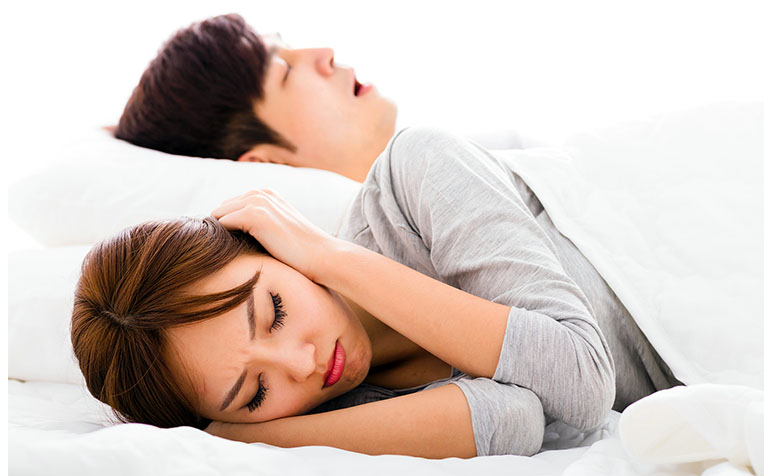
Obstructive sleep apnoea is a condition where a person experiences repeated blockage to breathing during sleep. In OSA, the upper airway collapses repeatedly during sleep. This creates an effect similar to that of being repeatedly choked throughout the night.
Symptoms include:
- Loud, frequent snoring.
- Choking or gasping episodes during sleep.
- Episodes where breathing stops during sleep.
- Frequent urination at night.
- Abrupt and frequent awakenings at night.
- Feeling unrefreshed after sleep.
- Waking up with a headache or a dry mouth.
- Difficulties with concentration at work or studies.
Snoring vs obstructive sleep apnoea
“A common question I get from patients is whether all snoring is considered OSA. Snoring is caused by partial obstruction of the airway, leading to a sound that is produced due to vibration of tissues in the throat.
OSA on the other hand is where breathing is severely affected during sleep, caused by a near complete obstruction of the airway. This is associated with a drop in blood oxygen levels and increased sleep disturbances.
For people with OSA, it can feel like they are being strangled during sleep,” explained Adj Asst Prof Leow.

How is obstructive sleep apnoea (OSA) managed?
What you can do to help yourself
For mild cases of obstructive sleep apnoea (OSA), making simple changes can help:
- Sleeping on your side to reduce the incidence of apnoea during sleep.
- Losing weight if you are obese.
- Performing myofunctional therapy and nasal breathing exercises that alleviate upper airway collapse during sleep.
- Exercising regularly.
- Quit smoking, if you're a smoker.
- Avoid consuming alcohol at night, as alcohol causes relaxation of the upper airway muscles.
- Avoid taking sleeping pills/sedatives as these may cause relaxation of the upper airway muscles.
When to consult a doctor for obstructive sleep apnoea (OSA)?
You should consult a doctor if:
- Your bed partner informs you that their sleep is disrupted due to your frequent and loud snoring.
- You experience (or you have been told by your bed partner of your) pauses in breathing during sleep.
- Have frequent daytime tiredness.
- Have a medical condition such as high blood pressure (hypertension), heart problems or obesity.
- You have other symptoms such as morning headaches, poor concentration, irritability and frequent awakening at night.
Treatment for more severe OSA
Continuous Positive Airway Pressure (CPAP) is considered the gold standard treatment for Obstructive Sleep Apnoea (OSA). CPAP is almost 100% effective in treating OSA but the device must be worn nightly and long-term compliance is essential for its effectiveness.
Successful treatment of OSA also helps to reduce risk of cardiovascular diseases.
For those unable to tolerate CPAP therapy, other treatment options include mandibular advancement splints, surgery or Neurostimulator implants.
2. Insomnia: Symptoms and how to manage
For some people, insomnia means difficulty in falling asleep or waking up frequently during the night with problems getting back to sleep.
For others, it is waking up too early in the morning and/or experiencing unrefreshing sleep. Insomnia can last for a short time or it can be chronic.
Insomnia is often related to more than one cause, including psychological and lifestyle factors such as:
- Persistent or poorly-managed stress.
- Mental health disorders such as depression and anxiety.
- Physical pain
- Other sleep disorders such as OSA and restless leg syndrome.
- Use of stimulants such as caffeine, nicotine and medications.
- Poor sleep habits and irregular sleep patterns.
- Neurological disorders such as Parkinson’s disease and Alzheimer’s disease.
How is insomnia be managed?
What you can do to help yourself
Insomnia in older adults improves more reliably with changes to habit and routine than with medication. Work through the following before considering a pill.
a) Use of melatonin medication
As production of melatonin (a hormone made by the body that helps manage sleep and wake cycles) decreases in seniors, it can lead to difficulty sleeping. In such cases, doctors can prescribe prolonged-release (PR) melatonin medication for short-term use.
Melatonin is not a sedative and will not knock you out. The body releases it as evening light fades, and that rise is the signal the brain uses to mark the start of the night. Production falls with age, so the signal weakens and sleep becomes harder to start and harder to hold.
A prolonged-release tablet taken one to two hours before bed restores that overnight signal and helps the body clock settle into a steadier rhythm. Because it works with the body's own timing rather than sedating you, the benefit builds over several nights, and it works best alongside a fixed bedtime and wake time.
b) Cognitive behavioural therapy for insomnia (CBT-I)
For insomnia lasting more than three months, cognitive behavioural therapy for insomnia is the recommended first-line treatment, ahead of any medication. It is a short structured programme, typically four to six sessions, that retrains the habits and thoughts keeping a person awake. Ask your doctor for a referral.
c) Other simple tips
- An hour before bed, write down whatever is on your mind for the next day. Once it is on paper, the mind stops rehearsing it and can let go.
- In bed, put your attention on your breathing. Breathe slowly and deeply, and count each breath. The counting occupies the part of the mind that would otherwise be worrying.
- Set your alarm for the same time every morning, however badly you slept the night before. A fixed wake time is the strongest anchor for the body clock.
- Resist the urge to go to bed earlier or lie in to make up for a bad night. Extra time in bed spent awake teaches the brain to associate the bed with wakefulness.
- Turn the clock away from you. Watching the minutes pass raises the pressure to sleep and makes sleep less likely.
- Get outdoors into daylight in the first hour or two after waking. Morning light steadies the body clock and strengthens the drive to sleep the following night.
Taking of sleeping pills is NOT recommended for the elderly and best to avoid because:
|
When to consult a doctor for insomnia?
See a doctor if poor sleep has persisted beyond three months despite good sleep habits, if you have come to depend on sleeping pills to get through the night, or if daytime tiredness is affecting your mood, memory or driving.
Seek help too if you snore heavily and wake unrefreshed, as this points to obstructive sleep apnoea, which is treated differently from insomnia and is often missed.
3. Restless leg syndrome (RLS): Causes, symptoms and how to manage
Restless legs syndrome (RLS) is a sensory-motor neurological disorder that causes an overwhelming urge to move the legs.
Before this urge, there may be a creeping feeling (like an insect crawling from the feet upwards), itching of the leg or a throbbing sensation. Symptoms are relieved by moving the legs. Commonly, the symptoms are worse in the evenings or night, and when at rest.
Causes and triggers of RLS include:
- Idiopathic (no known or predisposing cause)
- Iron-deficiency anaemia
- Kidney diseases such as kidney failure
- Use of antidepressants
How is restless legs syndrome (RLS) managed?
What you can do to help yourself
The mainstay of treatment for restless legs syndrome (RLS) is non-pharmacological first. This includes:
- Adopting good sleep hygiene such as reducing stimulating activities, avoiding caffeine or alcohol and keeping regular sleeping hours.
- Avoiding exercise near or after 5 to 6 pm, but exercising moderately and consistently before then.
- Drinking hot milk, milo or honey at bedtime may help.
- Massages, soaking legs in warm water or using hot or cold packs can sometimes provide temporary relief.
- Using foot wraps or vibration pads at the back of the legs may sometimes be helpful.
- Using muscle stimulators
When to consult a doctor for restless legs syndrome (RLS)?
If symptoms are severe and affect one’s ability to fall asleep, then seeking medical treatment for RLS can provide better, regular sleep.
Treatment for RLS
If lifestyle adjustments are not sufficient, medications can be introduced such as:
- Iron supplements: Often prescribed to menstruating females or vegetarians who are likely to experience aggravated RLS symptoms due to iron deficiency.
- Medications that work to increase GABAergic activity in the brain.
- Medicines that increase dopamine in the brain, but long-term use may worsen symptoms.
4. REM sleep behavior disorder: Causes, symptoms and how to cope
REM sleep Behavior Disorder (RBD) occurs when a person physically and/or vocally acts out his or her dreams unknowingly while asleep.
Dreams occur during the Rapid Eye Movement (REM) stage of sleep and in normal person, the body’s muscles are temporarily paralysed during REM sleep. However, for people with REM sleep behavior disorder, temporary paralysis of the body does not occur.
Thus, symptoms include violent arm/leg movements, shouting, and falling out of bed, which not only causes injury to the person with the condition but also poses a danger for his or her bed partner. It also affects sleep quality and can cause daytime fatigue and sleepiness.
“RBD is often associated with early neurodegenerative diseases like Parkinson’s disease,” said Adj Asst Prof Leow.
How is REM sleep Behaviour Disorder (RBD) managed?
What you can do to help yourself and your bed partner
Safety measures come first, and for milder cases they may be all that is needed. Clearing the bedside, padding the surroundings and lowering the mattress reduce the risk of injury before any medication is considered.
For yourself, adopt optimal sleep hygiene and avoid triggers such as alcohol.
When to consult a doctor for REM sleep disorder behavior?
You should seek help for REM sleep disorder behavior if:
- You or your bed partners feels that your actions during sleep, such as kicking and punching in response to your dreams are a potential danger to yourself or to your bed partner.
- Noises, such as talking and emotional outcries are loud enough to disrupt your bed partner’s sleep.
Treatment for REM sleep disorder
- If your symptoms are severe, it may be safest for your bed partner to sleep on a separate bed.
- Identify and treat and co-existing sleep disorder such as obstructive sleep apnoea (OSA), as it can make RBD worse.
- Where dream enactment is frequent or violent, two medicines are commonly used. Melatonin, at higher doses than those used for insomnia, is usually tried first in older patients because it is well tolerated. Clonazepam works well but calls for caution in the elderly: it causes daytime drowsiness, unsteadiness and falls, and it can worsen untreated obstructive sleep apnoea. Either should be started and reviewed by a doctor familiar with the condition.
- Anyone diagnosed with RBD should remain under long-term follow-up. The condition is closely linked to Parkinson's disease and related neurodegenerative conditions, sometimes appearing years or decades before other symptoms, and regular review allows any change to be picked up early.
5. Advanced sleep phase syndrome: Symptoms and how to manage
The circadian rhythm, commonly known as our ‘body clock’, regulates bodily functions throughout the day such as the sleep-wake cycle.
In persons with advanced sleep phase syndrome (a circadian rhythm sleep disorder), usually middle-aged and elderly, sufferers go to sleep very early in the evening and wake up in the wee hours of the morning and are unable to go back to sleep again.
This happens because a person's body clock shifts earlier with age. The cluster of cells in the brain that keeps time becomes less robust, the evening rise in melatonin arrives sooner and is smaller, and the ageing eye transmits less of the daylight that sets the clock each day.
Furthermore, certain habits compound the problem. Older adults who spend the evening indoors under dim lighting, or who doze off in front of the television after dinner, give the clock little reason to hold a later timing. The result is a rhythm running several hours ahead of the clock on the wall: sleepiness by 7pm or 8pm, and full wakefulness by 3am or 4am.
How is advanced sleep phase syndrome managed?
What you can do to help yourself
- Get bright light in the evening rather than the morning. Around two hours of bright light between 7 and 9pm, outdoors where possible or from a light box, holds the clock back and pushes both sleep onset and wake time later. Keep the evening active and the lighting bright, and avoid dozing off on the sofa after dinner.
- Shift bedtime later in small steps of 15 to 30 minutes rather than all at once, and hold each new time for several nights before moving again. In the early morning, keep light low. Wearing sunglasses on an early walk stops the morning sun from pulling the clock further forward.
- Using melatonin medication is not the answer here. Melatonin helps sleep that starts too late, not sleep that starts too early, and it may worsen advanced sleep phase syndrome.
More tips for good sleep
1. Maintain a regular sleep schedule
Maintain a strictly consistent wake-up and bedtime schedule, even on weekends. Consistency helps your body clock stay steady, such that when it reaches your usual bedtime, you are more likely to feel sleepy and therefore get into sleep easier.
2. Establish a regular bedtime routine
Create a dedicated "wind-down hour" before bed. Turn off or silence electronic devices (smartphones, tablets, and TVs) to avoid blue light exposure, which will disrupt your body clock.
3. Use your bedroom just for sleep
Keep your bedroom dark, quiet, cool and comfortable so it is conducive for sleep. Also, use the bed only for sleep. Avoid doing work, checking emails, using your mobile phone or watching TV while on the bed. Over time, your brain learns to associate the bedroom with sleeping.
5. Avoid consuming caffeine after 3pm
The half-life of caffeine is about five hours. This means that even after five hours of consuming a caffeinated beverage, half of the caffeine you consumed is still present in your body. Thus, to have good sleep, it is important to avoid consuming caffeine after 3pm.
6. Avoid napping too late in the day
If you must take a nap in the day, keep your nap short (under 1 hour) and in the early afternoon, ideally before 3pm.
If you can’t fall asleep after 20mins…
Don’t continue to stay in bed. Get out of bed and do something that will make you feel relaxed such as a 1-minute mindfulness practice (you can try the techniques shown here and here). Of course, avoid using your phone or mobile device during this time. When you feel sleepy, get back into bed.
For more tips for better sleep, read this article.
When to consult a sleep doctor
You should consult a sleep doctor if you:
- Wake up in the morning frequently feeling fatigued or sleepy, even with sufficient hours of sleep.
- Snore loudly, or make gasping/choking sounds during your sleep at night.
- Suffer from persistent insomnia.
- Find yourself dozing off frequently while driving.
- Have poor sleep and suffer from memory problems.
- Suffer from recurring disturbed sleep at night.
Ref: F26
Related articles:
How Light Affects Your Sleep and Body Clock
Contributed by




Stay Healthy the Easy Way
Get trusted health advice, offers and more.

Follow HealthXchange

