






1. Your body clock (circadian rhythm) runs on a 24-hour cycle and is strongly influenced by light.
2. Blue light from the sun helps regulate melatonin, but late-night screen use can disrupt this natural rhythm.
3. Bright light exposure (sunlight or a light box) can help reset sleep patterns for night owls, shift workers, and even the elderly.
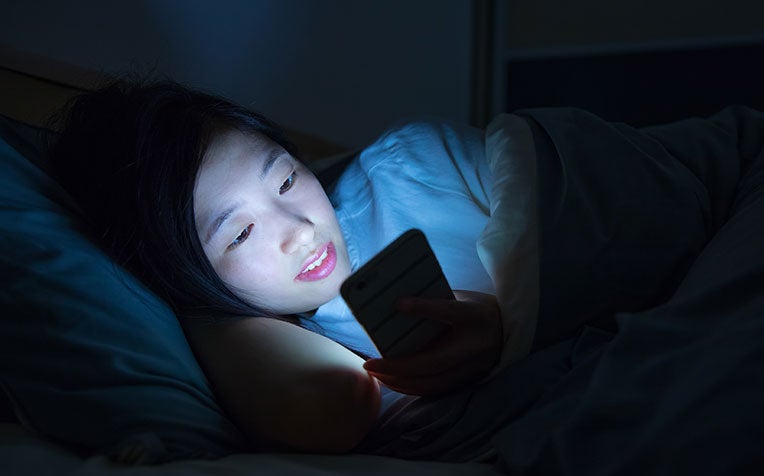
Blue light is emitted by smart phones, TV screens and computer monitors.
Your Body’s Internal Clock: Why Light Matters
Our bodies are naturally tuned to a 24-hour cycle of wakefulness and rest, known as the circadian rhythm or body clock. This rhythm controls not only sleep, but also hormone release, metabolism and even immunity.
“The body’s intrinsic biological clock regulates what time we wake up and when we feel sleepy. That clock is partly reset every day by external cues, the most important of which is morning light shining into our eyes,” said Adj Asst Professor Leow Leong Chai, Senior Consultant in the Department of Respiratory and Critical Care Medicine, in Singapore General Hospital (SGH), a member of the SingHealth group.
Without this daily “reset,” the clock can drift. People in polar regions, for example, often feel as though they’re in a state of perpetual jet lag during long stretches of darkness. Similarly, teens who use devices late into the night, or adults working night shifts, may find it increasingly hard to fall asleep at the right times.
The Role of Blue Light and Melatonin
Light of blue wavelengths is the most powerful factor in keeping the body clock accurate.
“When blue light from the morning sun hits the melanopsin receptors, it inhibits melatonin release during the day and increases melatonin release in the evening, promoting normal restful sleep,” explained Asst Prof Leow.
Smartphones, televisions and computer monitors emit significant amounts of blue light. “Using them late at night deceives the brain into thinking it is still day, which delays the secretion of melatonin and keeps users bright-eyed and awake,” he added.
When the Body Clock Is Out of Sync
When circadian rhythm drifts, people may experience:
- Delayed Sleep Phase Syndrome (DSPS): Bedtimes shift later and later, common in teenagers and young adults.
- Advanced Sleep Phase Disorder (ASPD): Bedtimes shift earlier, more common in the elderly.
The consequences go beyond fatigue. Insufficient sleep has been linked to high blood pressure, cardiovascular disease, poor blood sugar control in diabetics, and weakened immunity.
Research has shown that there is a strong genetic component to our individual circadian rhythms. Even within the normal population, there is a tendency for some people to be a “morning lark” or a “night owl” (Termed Chronotypes) from a young age, and Twin studies suggest that these Chronotypes are 50% heritable!
Light Therapy: Resetting the Body Clock
For those whose body clocks are out of sync, light therapy can be effective. A light box emits very bright blue light (10,000 lux, similar to full morning sunlight).
“This form of morning light or phototherapy brings forward an affected person’s sleep and wake times by a small duration each day. He will naturally feel sleepy earlier,” said Asst Prof Leow.
- For night owls: Use the light box for 30 minutes each morning for about two weeks.
- For early risers: Use it for 30 minutes around 7pm to help delay bedtime.
The treatment works best when paired with new habits: avoiding late-night screen time, limiting caffeine, and keeping a consistent sleep schedule.
“Over time, the person will rely less on the light box as his body clock resets. But he has to maintain good sleep hygiene,” said Asst Prof Leow.
At SGH’s Sleep Disorders Unit, about 70 per cent of patients with circadian rhythm disorders are teenagers and young adults with delayed sleep phase syndrome. “The youngest has been a secondary four student who had difficulties waking up in time for school, often missing school entirely,” he noted.
There is no such thing as a “perfect” circadian rhythm. Rather, an optimal sleep-wake cycle should be one that fits in with specific work, study and social demands and allows for sufficient time asleep. For some “night owls”, this may mean looking for jobs that allow for late mornings or working during the night e.g. financial analysts focusing on overseas markets.
Also, the body clock is not something that can be reset like an alarm clock. For most people, it takes about a day to delay or advance the body clock by 1hour under optimal conditions, and most people find delaying the clock (going to bed later) easier than the other way around.
Sleep Changes in the Elderly
For older adults, sleep often becomes lighter and more fragmented, with frequent toilet trips, aches and pains, or medications interfering.
“Going to bed and waking up early may be part of ageing, but this can be a problem for some. They may disturb their families when they wake at 4am. They also may not get to see their families often since the latter are already asleep when they reach home later at night,” said Asst Prof Leow.
Light therapy and melatonin supplementation at night can help here too, by shifting bedtime later to align better with family and social life.
Why Sleep Disruption Shouldn’t Be Ignored
The impact of poor sleep is more than just daytime drowsiness or poor performance. “The consequences of poor sleep can be more serious than just daytime sleepiness or poor school or work performance. Insufficient sleep can affect one’s health, such as by increasing blood pressure, and contributing to cardiovascular problems, poor blood sugar control in diabetics, and lowered immunity,” warned Asst Prof Leow.
Practical Tips for a Healthy Body Clock
- Get morning sunlight within the first hour of waking to synchronize your master body clock each day.
- Use dim, warm lighting in the evening to signal wind-down mode to stimulate natural melatonin release at night.
- Keep regular sleep and wake times, even on weekends to prevent your body clock from becoming disrupted.
- Limit screen use before bedtime as the blue light and intellectual stimulation can delay natural sleep onset.
- Speak to a sleep specialist if you suspect a circadian rhythm disorder.
Final Word
Light is one of the most powerful influences on your body’s natural rhythms. By managing your exposure to sunlight and screens — and seeking help such as light therapy when necessary — you can reset your body clock, improve sleep quality, and protect your long-term health.
Ref: F26
Contributed by


Stay Healthy the Easy Way
Get trusted health advice, offers and more.

Follow HealthXchange

