



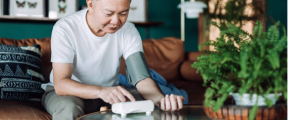


1. Ensuring a safe environment at home after a hospital stay is critical to preventing accidents and ensure a smooth recovery.
2. Falls are a major concern post-discharge. Adjustments to the home can make it safer for the patient.
3. Be prepared for emergencies. Place a list of emergency numbers written clearly in large letters by the telephone.

The safety of the home is an important consideration for the patient returning to the home after a hospital stay.
Providing Proper Lighting
- Use higher wattage light bulbs (60 watts if wattage unknown).
- Reduce glare:
- Use frosted bulbs that have soft light.
- Make sure that lamps have glare-reducing shades.
- Use window shades, curtains, or blinds.
- Use a night light at areas where obstacles are present (e.g. steps, thresholds).
- Place extra lighting in dark areas.
- Keep stairways well lit.
- Ensure light switches are located at the top and bottom of the staircase.
- Apply contrast colouring or texture at step edges or when there are changes in level.
Bathrooms & Toilets
- Install grab bars at the toilet and shower/bathtub (height approximately 1m from the floor).
- Toilet seats should be easy to rise from (at least same height as the back of the knee when standing).
- Use a commode chair or install a seated toilet if there is no seated toilet available.
- Bathrooms/toilets should be equipped with non-slip floor coatings or non-skid mats.
- Place toilet paper, toiletries, and clothing within easy reach from the shower area.
- Ensure small appliances are unplugged when not in use.
Living room, Dining area & Bedroom
- Ensure the height of chairs, beds and sofas reach the back of the knee or higher.
- Use a firm mattress to make getting up from the bed easier.
- Use a side bed rail or chairs with armrests.
- Store frequently used objects within easy reach.
- Place a table lamp/telephone by the bedside for convenience.
- Install a call system if help is needed to get out of bed.
- Place a commode at the bedside at night.
- Do not smoke in bed. Ash trays, smoking materials, or other fire sources (heaters, hot plates, teapots, etc.) must be located away from beds or bedding.
Flooring, Stairs & Doorways
- Provide non-slip finish to walkway surfaces and stairs.
- Install stair rails on both sides.
- Install lever type door handles.
- Install levelled surfaces wherever possible (i.e. no steps, no trip thresholds).
- Create clear pathways between rooms. Clutter can cause tripping and obstruction.
- Tape telephone and electrical cords to the sides of the room.
- Ensure carpet/rugs are flat on the floor. Tape edges if they curl.
- Avoid loose mats. Use non-slip backing if necessary.
- Use flat, broad-based shoes with non-slip soles.
Kitchen Safety
- Wipe up spills on bare floors immediately.
- Keep away all sharps (e.g. knives, scissors) and chemicals (detergents, cleaners).
- Pot handles should be turned away from the front of the stove.
- Remove all potentially dangerous appliances.
- Extension cords and appliance cords should be located away from the sink and stove areas.
- Avoid accumulating gas tanks in the kitchen. Have them removed by the supplier as soon as possible.
- If a step stool is used, it must always be stable and in good repair.
- If the person whom you care for cooks:
- Supervise all cooking.
- Be fire safe.
- Avoid wearing loose clothing or those with long sleeves.
- Tie up long hair.
- Avoid using bare hands as ‘testers’ while cooking.
Preventing Accidental Scalding
- Dial/ turn down temperature settings on the hot water heater.
Preventing Electric Shocks
- Insert safety plugs into outlets.
- Install ground fault circuit interrupters.
- Avoid leaving liquids near electrical appliances/outlets.
- Never use wet hands to touch electrical appliances/outlets.
- Ensure correct size fuses are installed and labelled – have an electrician identify them if necessary.
Preventing Accidental Poisoning
- Remove old or expired medications.
- Collect and put away all medications in cabinets with child-proof locks. Ensure they are labelled clearly with expiration dates, contents, doctor’s instructions, and the patient’s name.
- Label contents on reused containers clearly.
- Check houseplants to see if they are toxic. If so, throw them away.
- Volatile substance should be tightly capped to avoid toxic inhalation.
- Liquid gas, paints, solvents, or other products that give off vapours or fumes should be stored away from ignition sources.
Being Prepared for Emergencies
- Place a list of emergency numbers written clearly in large letters by the telephone.
- Install a basic first aid kit with bandages and antiseptic solution.
- Install a working fire extinguisher that you know how to use.
- Ensure ventilation systems in the kitchen (stove exhaust) and bedroom are in good working order.
A collaboration between Singhealth Occupational Therapy Departments
Changi General Hospital (CGH) Occupational Therapy Department
Singapore General Hospital (SGH) Occupational Therapy Department
Sengkang General Hospital (SKH) Occupational Therapy Department
Sengkang Community Hospital (SKCH) Occupational Therapy Department
KK Women's and Children's Hospital (KKH) Occupational Therapy Department
Ref: F26





Stay Healthy the Easy Way
Get trusted health advice, offers and more.

Follow HealthXchange

