





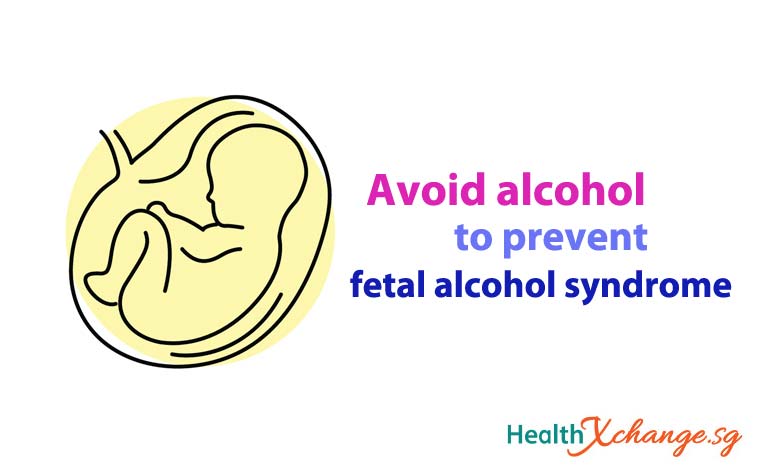
Alcohol causes irreversible intellectual damage in your baby.
If you are trying to conceive and considering that late night drink, think again. Alcohol use can give rise to fetal alcohol syndrome (FAS) which is a combination of permanent physical and mental defects.
Alcohol crosses into the placenta and causes irreversible intellectual damage resulting in
-
lifelong learning disabilities,
-
memory problems,
-
attention deficits and
-
impulsive behaviour
Physical features are also affected. Infants with fetal alcohol syndrome (FAS) tend to have characteristic facial features such as
-
a small head,
-
flattened upper lip where the groove should occur,
-
narrowed eye width and
- growth deficiency.
Infants with fetal alcohol syndrome (FAS) tend to be below their expected average height and weight too.

Fetal alcohol syndrome (FAS) can affect fetuses at any point in pregnancy and there is no medically safe level of alcohol. Knowing that, we advise you not to drink and conceive.
If you have had a glass or two to drink while you were unaware of your pregnancy, do not be too alarmed, as you would have to drink more than 1 drink/day to be at risk. Still, no good can come from drinking alcohol while pregnant.
Remember: healthy mum, healthy baby.
Trying to conceive? Besides avoiding alcohol, find out why you should also avoid smoking.
Click the link for the complete listing of articles for Pregnancy Week 1 - Week 40.
Ref: N18
Contributed by

Stay Healthy the Easy Way
Get trusted health advice, offers and more.

Follow HealthXchange

