





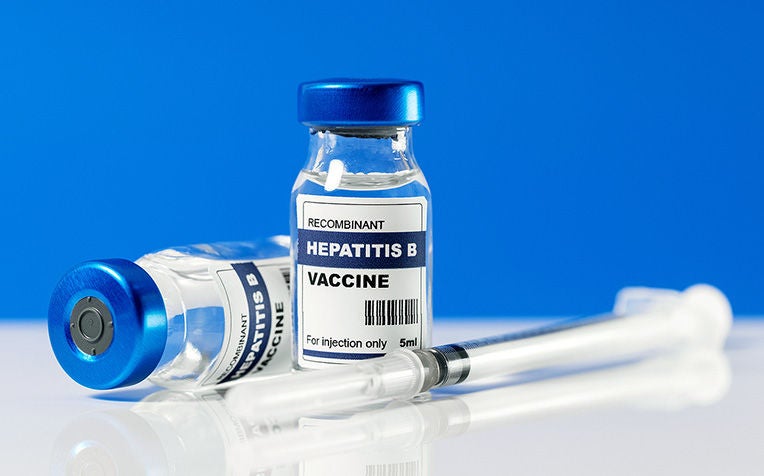
Being vaccinated against hepatitis B is one of the effective ways to minimise risk of liver cancer.
Liver cancer in Singapore
In Singapore, primary liver cancer, also known as hepatocellular carcinoma (HCC) is the third most common cause of cancer deaths amongst males and fifth most common amongst females1.
While there are a number of causes, the main risk factors for the disease are well defined. It is possible to prevent liver cancer by reducing exposure to risk factors and making lifestyle changes.
Watch this video on liver cancer causes, symptoms, treatment and more!
How to prevent liver cancer
1. Vaccinate against hepatitis B and hepatitis C
“The most significant risks for liver cancer are chronic infection with hepatitis B virus and hepatitis C virus. These viruses can spread through body fluids (e.g. through the use of contaminated needles or unprotected sex),” explains Professor Pierce Chow, Senior Consultant from the Division of Surgery and Surgical Oncology at National Cancer Centre Singapore (NCCS) and Singapore General Hospital (SGH). Both SGH and NCCS are members of the SingHealth group.
In many parts of Asia, however, hepatitis B is endemic in the population and many patients are infected with hepatitis B through vertical transmission, i.e. transmitted from mother to child during childbirth.
While there is no vaccine currently available for hepatitis C, there are very good and safe vaccines for hepatitis B.
Children born in Singapore should get hepatitis B immunisation at birth as part of the Singapore National Childhood Immunisation Schedule.
Family members of patients with hepatitis B are advised to check their own hepatitis B status. If you are at risk for hepatitis B or C infection, consider undergoing a screening test.
Those with chronic hepatitis B or C should also visit their doctors for regular surveillance with imaging tests, such as ultrasound. If you have chronic hepatitis B or C, you may be a candidate for antiviral therapy, which can slow down the progression of liver disease and may decrease, but not totally eliminate the risk of liver cancer.
2. Go for liver cancer screening if you have a high risk
Screening is advised for high-risk individuals with liver cirrhosis or chronic hepatitis B infection.
Regular screening may involve blood tests for alpha-fetoprotein (AFP), liver function assessments, as well as ultrasound scans of the liver every 6 months.
3. Avoid high-risk behaviours
As viral hepatitis B and C are spread through bodily fluids, high-risk behaviours that increase spread of the diseases should be avoided. This includes using contaminated needles and unprotected sex, other than with a regular partner.
4. Avoid excessive alcohol consumption
Another significant risk factor for liver cancer is liver cirrhosis which can be caused by excessive alcohol consumption. Limiting the consumption of alcohol can prevent liver cancer.
The Health Promotion Board (HPB) has shared that according to the World Health Organization (WHO), as stated in The Lancet Public Health, January 2023, there is no safe amount of alcohol consumption that does not affect health. Thus, if you do need to drink alcohol beverages, do so in moderation.
5. Maintain a healthy weight and active lifestyle to prevent fatty liver
Maintaining a healthy weight is key to overall better health outcomes. As it stands, in addition to hepatitis B and C, major risk factors for liver cancer are non-alcoholic fatty liver disease (NAFLD), non-alcoholic steatohepatitis (NASH) and diabetes. People who are overweight or obese are more likely to have these diseases, which makes maintaining a healthy weight essential.
6. Treat viral hepatitis
If you at risk for hepatitis B virus and hepatitis C virus, it is advisable to get tested. If positive, there are treatments for hepatitis B and hepatitis C, which can lower the risk of liver cancer. Individuals at risk will also be put on a regular screening schedule for liver cancer.
“While some patients will unfortunately be infected with chronic viral hepatitis, studies have consistently shown that treatment and control of these diseases can significantly decrease the risk of developing hepatocellular carcinoma (HCC). Currently, there is therapy available that can effectively eradicate hepatitis C and control hepatitis B,” adds Prof Chow.
Take charge of your health
The steps above outline different ways to minimise risk of liver cancer. Regular screening of liver cancer for those at high risk remains the best way to treat the disease, as early-stage detection of liver cancer is the best way to ensure the best outcomes.
1 National Registry of Diseases Office. (2021, March). Singapore Cancer Registry Annual Report 2021
Ref: K21
Check out other articles on liver conditions:
Liver Cancer: Risk Factors, Symptoms and Treatment
Liver Cirrhosis (Liver Scarring): Causes, Symptoms and Prevention
Liver Inflammation: What Causes It and How to Prevent
Fat Buildup in the Liver: Why It's Bad for You
Contributed by


Stay Healthy the Easy Way
Get trusted health advice, offers and more.

Follow HealthXchange

