






1. Kidney stones (or urinary stones) are solid mineral deposits that form in the urinary tract when urine becomes too concentrated. They can cause severe pain, blood in the urine, and serious infections, but small stones may pass unnoticed. Seek medical attention immediately if you experience severe pain, high fever, or visible blood in the urine.
2. Preventing kidney stones is crucial, as they recur in about 50% of cases. The most effective preventive measures include staying well-hydrated (at least 2.5 litres of water daily), reducing intake of oxalate-rich and high-purine foods, and maintaining a balanced diet with adequate calcium.
3. Managing kidney stones depends on the size and location of the stone, ranging from conservative measures like increased water intake and pain relief for small stones, to minimally invasive surgical procedures such as ESWL, PCNL, or ureteroscopic removal for larger stones.
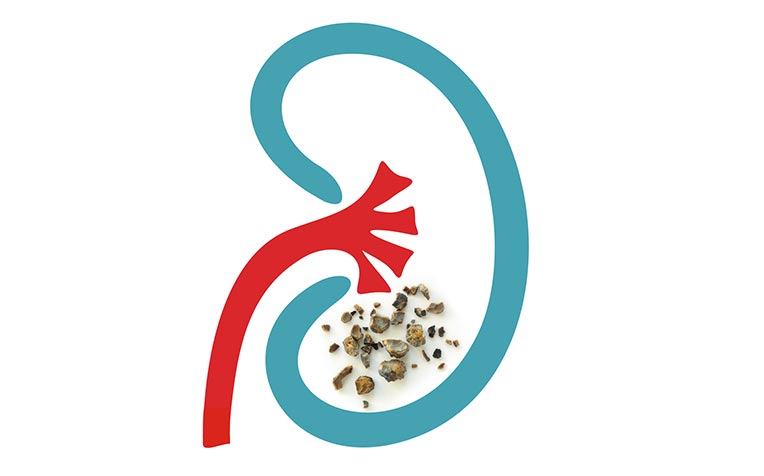
Kidney stones (urinary stones) occur more frequently in men, between 40 and 60 years old. Plus, being diagnosed with a kidney stone once leads to a higher than 50% risk of developing another stone within the next decade.
What is a kidney stone (urinary stone)?
Kidney stones or urinary stones (also known as urolithiasis or renal calculi) are solid deposits that occur within the urinary system.
They occur when urine becomes too concentrated with minerals, which then precipitates into multiple small mineral crystals that can eventually accumulate to form stones.
These stones can lead to complications especially if they cause obstruction within the urinary tract. This might then lead to severe back pain, blood in the urine, or even severe urinary tract infections.
What increases risk of getting kidney stones (urinary stones)?
- Age: Usually more common in older individuals ~40 – 60 years of age.
- Obesity has been associated with >50% higher risk of stone formation.
- Family history of kidney stones is associated with a higher risk.
- Lack of fluid intake leads to concentration of salts in the urine, increasing risk of stone formation.
- Certain diets high in oxalate (nuts, long beans, chocolate), high in purines (red meat, organs, seafood)
- Having kidney stones before: A person with a diagnosed kidney stone has a 50% risk of developing another stone within the next 10 years.
- Certain medical conditions: Diabetes (Type 2 Diabetes Mellitus), metabolic syndrome, hyperparathyroidism, renal tubular acidosis, gastrointestinal diseases (including inflammatory bowel disease, malabsorption, bariatric surgery, previous intestinal resections). Known conditions associated with urinary tract obstruction can also increase the risk of stone formation.
- Use of certain medications such as HIV medications (indinavir).
How to prevent kidney stones (urinary stones)?
Kidney stones (urinary stones) tend to recur in about 50 percent of cases, so prevention is your best course of action. To reduce your risk, ensure:
1. Adequate water intake
Drink enough water (about 2.5 litres of water) a day or enough water to produce light and clear urine.
2. Reduce intake of oxalate-rich foods.
These include spinach, rhubarb, beets, peanuts, soybean crackers, chocolate, black tea and sweet potatoes.
Foods that have medium amounts of oxalate may be eaten in limited amounts. These include grapes, celery, green pepper, raspberries, strawberries, marmalade and liver.
3. Ensure sufficient calcium intake
Diets low in calcium can increase kidney stone formation in some people. Continue eating calcium-rich foods including dairy products but use caution with calcium supplements.
Older women taking calcium supplements to prevent bone loss should continue to do so. If in doubt, please consult your doctor or a dietitian.
4. Reduce salt and protein in your diet
If you have highly acidic urine you may need to eat less meat, fish, and poultry as these foods increase the amount of acid in the urine.
5. Control vitamin D intake
You may be told to avoid food with added vitamin D and certain types of antacids that have a calcium base.
Types of kidney stones (urinary stones)
The four most common types of kidney stones are:
1. Calcium stones
- The most common, accounting for >80% of all stones.
- Most are in the form of calcium oxalate. Oxalate is found naturally in many foods, and foods with high oxalate content include peanuts, beans, leafy vegetables and chocolate.
- Another major group are calcium phosphate stones, which are usually associated with metabolic diseases, including hyperparathyroidism and renal tubular acidosis.
2. Uric acid stones
It accounts for approximately 10% of kidney stones. These form when there are high concentrations of uric acid within the urine, which is commonly associated with gout, and can also occur when the urine is too acidic, or with a diet high in purines (red meat, organs, and seafood).
3. Struvite stones
These stones usually occur as a result of urinary tract infections with bacteria that break up urea, resulting in an alkaline urine that leads to precipitation of magnesium, ammonium and phosphate, the stone’s constituent salts.
4. Cysteine stones
Less common, and occurs in patients with cystinuria, a genetic condition that causes the kidney to excrete excessive amounts of certain amino acids that eventually crystallise into stones.
Symptoms of kidney stones (urinary stones)
Very small crystals may travel through the urinary tract and pass out of the body in the urine without being noticed, so many are unaware that they have a kidney stone.
However, when a stone moves in the urinary tract and blocks the flow of urine, it causes severe pain. Kidney stone symptoms include:
- Loin pain: Typically, you will feel a sharp, cramping pain in your back and side, and around the area of the kidney. The pain may shift to the lower abdomen later on (also known as renal colic).
- Nausea and vomiting
- Haematuria (blood in the urine): As the stone moves and the body tries to push it out, blood may appear in your urine making the urine pink.
- Frequency and urgency in urination: As the stone moves down the ureter closer to the bladder, you may feel the need to urinate more often or a burning sensation during urination.
- Fever and chills: If there is an infection present.
When to see a doctor for a kidney stone (urinary stone)?
Seek medical attention if you experience any of the following:
- Severe pain, not responding to painkillers.
- High fever, with temperature >38°C.
- Infections that occur when urine is obstructed in the urinary system can be severe and life-threatening, and immediate medical attention is crucial..
- Visible haematuria (blood in the urine).
- Symptoms of renal failure: Severe shortness of breath, swelling of both legs.
How to manage kidney stones (urinary stones)?
Once diagnosed, the size and location of the stone are important for treatment choice.
For small stones
Conservative treatment includes:
- Drinking water: Drink as much as 2-3 litres of water a day to keep your urine diluted and clear unless your doctor tells you otherwise.
- Pain relief: You may be prescribed pain medications to minimise discomfort during stone passage.
- Medical therapy: An alpha blocker, such as tamsulosin, may be prescribed to relax to muscles in your ureter, facilitating passage of stone with less pain.
For larger stones
Stones that are too large to pass on their own or cause bleeding, persistent severe pain that cannot be controlled, renal impairment and infection of the urinary tract may require invasive treatment.
a) Medical therapy
Certain medications may help prevent calcium and uric acid stones by controlling the amount of acid or alkali in the urine which is a key factor in crystal formation. The medicine allopurinol may also be useful in some cases of hyperuricosuria where the chemical uric acid is excreted in large amounts in the urine.
b) Surgical treatment
- Extracorporeal shock wave lithotripsy (ESWL)
Done as an outpatient procedure, this treatment uses shock waves to break kidney stones into fragments, which are then passed out in the urine over the next few days. This non-invasive and safe procedure, however, may require more than one session to completely fragment the stones.

- Percutaneous nephrolithotripsy (PCNL)
For this minimally invasive keyhole operation, a small hole is made in the body to allow a scope to pass into the kidney. The urinary stone is broken up and removed through this passage. This procedure requires general anaesthesia.
- Ureteroscopic stone removal
The procedure involves passing a small scope through the urethra and bladder into the ureters and kidneys. The urinary stone is then broken up and removed with a small basket or passed out in your urine. General anaesthesia may be required for this procedure.
Read on to learn if drinking a type of sparkling mineral water can prevent kidney stones (urinary stones).
Ref: F26 (ed)
Related articles:
7 Ways to Prevent Urinary Tract Infections (UTI)
Urinary Incontinence in Women: Types and How to Treat
Blood in Urine (Hematuria): When Is It a Concern (and When Is It Not)
What are Pelvic Floor Disorders and Where to Go for Treatment
.png)


Stay Healthy the Easy Way
Get trusted health advice, offers and more.

Follow HealthXchange

