






- Jet lag occurs when your body clock (circadian rhythm) is out of sync after crossing multiple time zones quickly.
- Flying eastward usually causes worse jet lag than westward, as it is harder for the body to adjust to sleeping earlier than staying awake for a longer time.
- You can reduce jet lag by adjusting your schedule before departure, managing light exposure, staying hydrated, avoiding excessive caffeine or alcohol consumption, and optimising sleep.
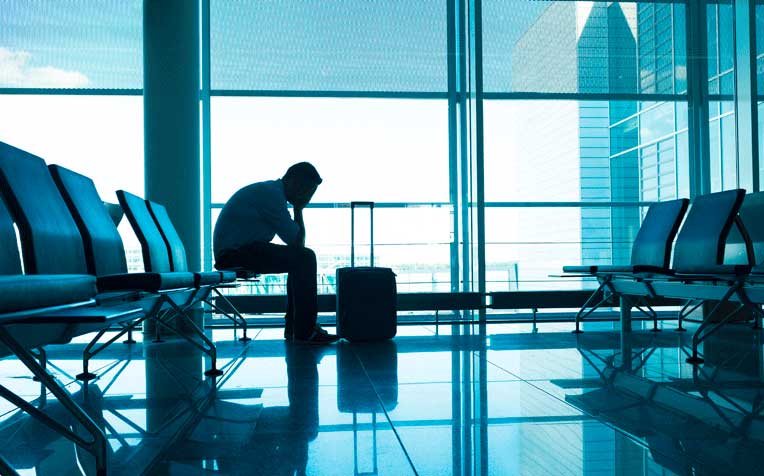
Jet lag can be made better by exposing yourself to sunlight.
What Is Jet Lag?
Jet lag is a temporary sleep disorder that happens when you rapidly cross time zones, leaving your body’s circadian rhythm out of sync with your new environment. Some people are affected more than others, especially the elderly and frequent travellers.
The circadian rhythm is your body’s natural 24-hour clock that regulates sleep, wakefulness, and other bodily processes. When disrupted, you may feel sleepy during the day yet struggle to fall asleep at night. You might also have gastric disturbances, as hunger and bowel movements remain in sync with the old time zone.
"If you’re a frequent flyer, jet lag can prevent you from getting the sleep you need. Over time, sleep deprivation increases your risk for obesity, cardiovascular disease, gastrointestinal disorders, and even some cancers," says Assoc Prof Limin Wijaya, Head and Senior Consultant at the Department of Infectious Diseases, Singapore General Hospital (SGH), a member of the SingHealth group.
Symptoms of Jet Lag
Jet lag symptoms vary depending on how many time zones you cross and the direction of travel. Typical signs include:
- Headaches
- Disturbed or fragmented sleep
- Fatigue and sleepiness during the day
- Poor concentration and memory lapses
- Feels of hunger and bowel movements at odd hours
The more time zones you cross, the worse these symptoms can be. Traveling from west to east (e.g., Europe to Singapore) usually feels harder than going the opposite direction, as the body has to “shorten” its day.
Why Direction Matters
Jet lag tends to be worse when you travel eastward, as you are “losing” hours and your body needs to adjust to an earlier bedtime.
In contrast, westward travel usually feels easier, since staying up later and waking later aligns more naturally with our body clock.
So, now you know why you feel energized heading to Europe, and coming back feels more tiring. Your anticipation of going for a holiday versus the dread of going home is just another factor!
How to Reduce Jet Lag
While there’s no magic cure to completely prevent jet lag, these strategies can minimise symptoms and help your body adjust faster:
1. Prepare Before You Travel
- If flying west, go to bed and wake up later for a few days before departure.
- If flying east, shift your schedule earlier by an hour or so each night.
- Adjust your mealtimes gradually to match your destination’s schedule.
- Get plenty of rest before travel as sleep deprivation can make it harder to adjust to the new time zone.
2. Adjust During the Flight
- Set your watch to the destination’s time zone as soon as you board.
- If it’s daytime at your destination, try to stay awake; if it’s nighttime, try to sleep.
- Stay hydrated by drinking plenty of water and avoiding caffeine or alcohol, which can worsen dehydration and disrupt sleep.
3. On Arrival
- Get sunlight exposure as soon as possible — sunlight is a powerful regulator of circadian rhythm.
- Exercise lightly during the day to boost energy and promote better sleep at night.
- Optimise sleep conditions: use blackout curtains, an eye mask, and earplugs to block noise and light.
- Avoid heavy meals, heavy exercise, alcohol, and caffeine close to bedtime, as they may interfere with rest.
- Avoid bright light from your phones, laptop and television close to bedtime can make it more difficult to adjust your circadian rhythm.
- If you have a full day ahead, having a lighter meal of lean protein, fruits and vegetables can make you feel less sleepy compared to a carbohydrate-rich meal.
4. Use Melatonin Wisely
Melatonin is a hormone naturally produced by the body to signal sleep. For some travellers, melatonin supplements can help trick the body into adjusting faster.
⚠️ Always check with your doctor before taking melatonin, as it can interact with other medications.
Practical Travel Tips
- Arrive early if possible: If you have an important event, consider arriving 1–2 days earlier to give your body time to adapt.
- Nap smartly: If absolutely needed, keep naps short (20–30 minutes) to avoid making nighttime sleep harder.
Bottom Line
Jet lag may be a nuisance for travellers, but with advance planning, smart use of light exposure, hydration, and proper sleep habits, you can reduce its impact.
As A/Prof Wijaya cautions, chronic sleep disruption from frequent flying can increase long-term health risks. That’s why managing jet lag isn’t just about comfort — it’s about protecting your overall health too.


Stay Healthy the Easy Way
Get trusted health advice, offers and more.

Follow HealthXchange

