






1. The common cold is usually mild, with a short period of running nose or cough. It is likely to go away on its own without treatment. On the other hand, symptoms of the flu (or influenza) tend to be more severe compared to the common cold, with body aches and fever.
2. To recover fast from the cold or flu, it is important to drink plenty of fluids, get sufficient rest, take over-the-counter medication such as paracetomol, mask up, practice good hygiene and stay at home to prevent spreading to others. Also, consult a GP early if you have flu-like symptoms.
3. There is no vaccination jab for the common cold. However, a yearly influenza vaccine (commonly called ‘flu shot’) is recommended for anyone above the age of six months.
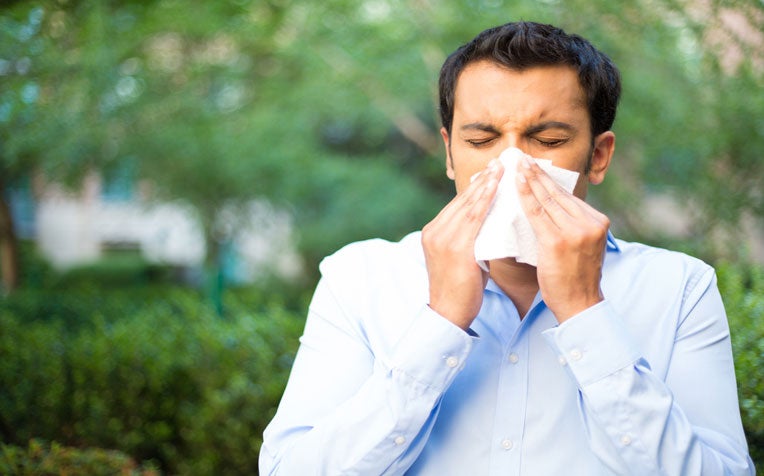
Common cold and influenza are both highly contagious.
How to manage the cold and flu (influenza)
Self-care and home remedies
As both the common cold and flu (influenza) are caused by viruses, and not bacteria, antibiotics are not effective in curing it. Antibiotics only treat infections caused by bacteria.
The symptoms can be self-treated using the medications available over the counter except cough suppressants, which require a prescription. You can also ask a pharmacist to recommend a suitable treatment.
- Fever medication such as Paracetamol and Ibuprofen may be used to reduce a high body temperature.
- Cough suppressants may be taken to reduce the body’s urge to cough.
- Expectorants and mucolytics may help to thin the phlegm, hence making it easier for your body to clear it from the airway either by spitting it out or swallowing it.
- Antihistamines can treat a runny nose, watery eyes and sneezing. They are also commonly used to treat allergies or itch.
- Decongestants may help to relieve blocked nose. They are found in nasal sprays, nasal drops and tablet forms. While decongestant sprays and drops take effect quickly, they should not be used for more than 3–5 days as they may cause constant blocked nose caused by overuse.
Aside from using medications, getting enough rest and drinking lots of fluids (unless your doctor has advised you to limit your fluid intake), the following home remedies may help to relieve cold symptoms.
- Drink lots of fluids
- Drink warm water with honey and lemon (avoig giving honey to infants under a year old)
- Massage mentholated or vapour rubs onto your chest, neck and back to help you breathe better, especially before sleeping
- Stay home and get lots of rest
- Take Ivy leaf, Pelargonium sidoides, Elderberry (use cautiously when taking long-term immunosuppressants) or Echinacea extracts (use cautiously for those with with liver conditions or on long-term immunosuppressants)
- Steam inhalation
- Using a saline nasal spray or nasal wash
Want to recover fast from the cold and flu? Find out how in this video!
When to see a doctor for the cold and flu (influenza)
Consult a GP if you:
- Experience your condition getting worse or does not improve in two weeks
- Have a fever of 38°C or higher
- Have cough with thick phlegm that is yellow or green or contains some blood
- Have difficulty in breathing
- Are 65 years old and over with multiple long-term medical conditions
- Are pregnant
- Have long-term medical condition(s) such as asthma, diabetes (type 2 diabetes mellitus), heart disease or kidney disease
There is no need to visit the emergency department for a cold or flu, unless your GP says so.
How to stop spreading the cold and flu (influenza)
To create a clean and safe environment for your loved ones and community, it is important to practice good social hygiene. This includes:
1) Practice hand hygiene frequently
As our hands frequently come in contact with contaminated surfaces, it is important to wash them regularly and thoroughly with soap and water. If soap and water are unavailable, hand sanitisers are good alternatives.
Clean your hands:
- Before and after meals
- Before handling food
- After using the toilet
- After blowing your nose
- After touching shared surfaces like tabletops, doorknobs, handrails, etc
2) Stay at home
If you are unwell, rest at home. Avoid school, work, hospital visits and crowded places to prevent the spread of the virus to others. Take a breather from strenuous physical activities like running and jogging.
3) Consult a doctor early
If you are experiencing flu-like symptoms, seek treatment early, and wear a mask until you have recovered.
4) Wear a mask
Always put on a mask if you have flu-like symptoms. Cover your mouth and nose with a tissue when you cough or sneeze. This prevents the release of respiratory droplets into the air, protecting your loved ones and those around you.
Dispose of the used tissues in a covered dustbin and wash your hands after doing so.
Cold and flu (influenza): What's the difference?
The cold is usually quite mild and people can normally recover on their own with little self-treatment. On the other hand, influenza (commonly known as the flu) tends to be more severe and contagious than a cold.
“People with a cold will usually recover within a week, but influenza may lead to serious complications such as bronchitis and pneumonia, especially among children, older people and those with chronic medical conditions,” says Dr Mark Ng Chung Wai, Family Physician, Senior Consultant at SingHealth Polyclinics (SHP), a member of the SingHealth group.
| Common cold symptoms | Flu (influenza) symptoms |
|---|---|
Cold symptoms typically last for 3-14 days before resolving on their own. |
Flu (influenza) symptoms are usually more severe compared to the common cold. |
Because these two types of illnesses have similar symptoms, it can be difficult (or even impossible) to tell them apart based on symptoms alone.
There are special tests to diagnose influenza and these can be ordered by the doctor if deemed necessary.
- In general, influenza is worse than the common cold, and symptoms such as fever, body ache, extreme tiredness, and dry cough are more common and intense. A cold is usually milder than influenza.
- People with a cold are more likely to have a runny or stuffy nose. A cold generally does not result in serious health problems, such as pneumonia, bacterial infections, or hospitalisations.
Causes of cold and flu (influenza)
Both the common cold and influenza are highly contagious airborne viral infections that attack your upper respiratory tract – your nose, sinuses and throat.
The common cold is caused by a wide variety of viruses, including rhinoviruses, adenoviruses and coronaviruses, with 30 – 50% of colds caused by rhinoviruses. Influenza, on the other hand, is caused by influenza virus types A, B and C only.
Both the common cold and influenza are transmitted by tiny air droplets which are released when an infected person coughs or sneezes.
The viruses are also frequently transmitted through touching your nose and mouth with hands that have come in contact with contaminated surfaces.
Who should get the flu jab (influenza vaccination)?
The common cold is caused by a myriad of viruses that are rapidly changing, so there is no preventive vaccine.
On the other hand, a yearly influenza vaccine (commonly called ‘flu shot’) is recommended for everyone from the age of six months onwards, says Dr Ng,.
The yearly influenza vaccine is especially recommended for the following high-risk groups of people:
- Seniors (aged 65 and above)
- Young children (from six months to five years old)
- Adults and children who have chronic disorders of the lungs (including asthma) or heart;
- Adults and children who suffer from chronic metabolic diseases (including diabetes); people with kidney malfunction like those on dialysis; those with a blood disorder like thalassemia
- Immunosuppressed patients due to illness or chemotherapy
- Residents of nursing homes and patients receiving intermediate and long-term care services
- Pregnant women (all stages of pregnancy)
- Healthcare staff in healthcare institutions and establishments
Ref: F26 (ed)
Related article:
6 Ways to Prevent the Cold and Flu (Influenza)


Related Articles

Stay Healthy the Easy Way
Get trusted health advice, offers and more.

Follow HealthXchange

