






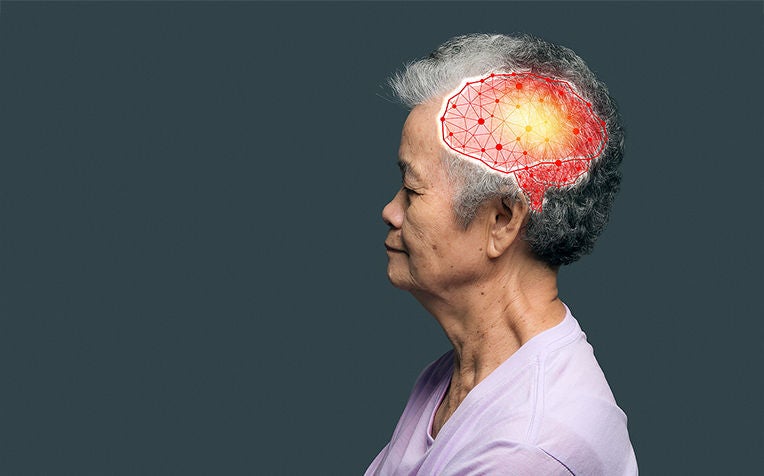
Dementia is not part of normal aging, although the elderly are more prone. It describes a group of symptoms such as memory loss, impaired judgment, confusion and behavioural changes, which are severe enough to affect daily function.
Losing one's memory is a terrible experience – one which a person with dementia has to live with.
To reduce your risk of getting dementia, Clinical Assistant Professor Vanessa Mok, Senior Consultant for Psychological Medicine, and Anuradha Kaliappan, a Senior Medical Social Worker, both from Changi General Hospital (CGH), a member of the SingHealth group, share some simple steps you can take.
What is dementia?
Dementia describes a group of symptoms such as memory loss, impaired judgment, confusion and behavioural changes, which are severe enough to cause loss of function.
Dementia is not part of normal aging, though the elderly are more prone. Dementia occurs when the brain function gradually fails, affecting day-to-day activities.
Alzheimer’s disease is the most common type of dementia, followed by vascular dementia. It affects mainly elderly people.
In Singapore, the prevalence rate of dementia in people above 65 years is 6.2%. It is an illness that causes significant distress to both the patient and his caregivers.
Symptoms of dementia
All types of dementia involve decline in mental abilities involving thinking and memory, but the specific symptoms vary depending on the type of dementia. Persons suffering from dementia may have difficulties with:
- Memory loss affecting work
- Difficulty doing daily tasks
- Problems with language
- Confusion about time/place
- Poor/decreased judgement and problems with abstract thinking
- Losing/forgetting things
- Changes in personality
- Loss of initiative
- Changes in mood behaviour
Tips to prevent dementia
However, there are simple things you can do that may help lower your risk of getting dementia:
 1. Eat a healthy, balanced diet
A Mediterranean diet, consisting of plenty of fish like salmon and mackerel, vegetables, grains and nuts, in combination with a low salt diet is beneficial for the brain and heart.
Another simple way to remember a well-balanced diet is to follow the My Healthy Plate - filling half of your plate with fruit and vegetables, a quarter with wholegrains and a quarter with protein-rich food such as meat, fish, and tofu.
In addition to keeping your brain healthy, reducing salt and sugar intake also helps keep chronic illnesses at bay such as high blood pressure (hypertension) and diabetes (Type 2 Diabetes Mellitus).
 2. Be physically active and exercise regularly
Thirty minutes of moderate intensity exercise daily, five times a week, is the recommended minimum. The activity has to be intense enough to raise your heart rate and get you a bit out of breath. You could walk, cycle, swim or join an exercise or dance group. Regular exercise makes your heart and blood circulatory system more efficient, helping to lower cholesterol and blood pressure. Exercise is also good for your mental well-being.
 3. Maintain a healthy weight
Go for regular health checks to monitor blood pressure, blood sugar and cholesterol levels. Follow your doctor's advice on exercise and diet. Maintaining a healthy weight also helps to reduce your risk of heart disease, stroke and diabetes.
 4. Don’t smoke
Smoking and vaping harms your lungs, heart and blood circulation. If you smoke, try to stop. Stopping smoking at any age can improve your health and lower your risk of heart attack, stroke, and lung disease. Check out this article for tips on how to quit smoking.
If you need help to quit, call Quitline at 1800 438 2000 or visit I Quit at healthhub.sg/programmes/IQuit
 5. Drink alcohol in moderation
Some studies have shown that alcohol consumption is linked to dementia. To lower the risk of alcohol-related harm over a lifetime, men should drink no more than two standard drinks per day, and women no more than one standard drink per day. If you must drink alcohol, moderation is key.
 6. Give your brain a daily workout
Some studies have shown that keeping mentally active and maintaining strong social connections may lower the risk of cognitive decline.
Activities could include reading, solving puzzles, playing number or word games, playing cards or learning something new. Social engagement can be achieved by visiting family or friends or have them visit you, joining a club or volunteering for a cause you believe in.
It is not possible to reverse our age, change our genes and there is no sure way to prevent dementia. The key to lowering the risk for dementia is to lead a healthy lifestyle, and engage in regular physical and mental activity. It is never too early to develop good habits, and it may be easier to adopt a healthier lifestyle if it is incorporated into your daily routine.
7. Get sufficient good sleep
Some studies show that reduced sleep worsens the clearance of proteins that may be harmful to the brain. This may possibly lead to the accumulation of these toxic proteins, leading to dementia.
Try to get seven to nine hours of sleep each night. Consult your doctor if you are not getting enough sleep, sleeping poorly or think you may have a sleep disorder such as obstructive sleep apnea (OSA).
8. Be in control of your health
Ensure regular visits to the doctor and keep medical conditions like diabetes, high blood pressure (hypertension) and high blood cholesterol (hypercholesterolaemia) in check.
These diseases increase the risk of blockage of blood vessels, which predisposes one to develop vascular dementia.
A strong and healthy heart ensures adequate blood flow to the brain, keeping it well-nourished and healthy.
If you are taking medications for chronic conditions, do it dutifully and seek early treatment to avoid any complications that may result from these conditions.
| Are you a dementia caregiver? Click here to learn about do's and dont's when looking after a loved one with dementia. |
Types of dementia
- Alzheimer’s Disease (AD)
AD is the most common form of dementia. Changes in the brain occur gradually. Signs include short term memory, changes in judgment, reasoning and inability to perform daily tasks.
- Vascular Dementia (VaD)
VaD is linked to strokes and may be preventable. The lack of blood circulation in the brain results in localised damage to brain areas involved in attention, planning and behaviour.
- Frontotemporal Dementia (FTD)
In the early stages, FTD mainly affects personality, behaviour and speech. Persons with FTD may behave rashly while their memory and sense of direction remain relatively intact.
- Lewy Body Dementia (LBD)
LBD is a form of progressive dementia with noticeable changes in attention and ability to function from day to day. Persons may appear to have a lively imagination or hallucination. Signs may resemble those of Parkinson Disease.
- Young Onset Dementia (YOD)
There is an increasing number of patients with YOD. This refers to dementia patients who are below 65 years old. The increased number could be due to rising awareness, resulting in more being diagnosed. It could also be due to the higher prevalence of vascular risk factors such as hypertension and diabetes.
How is dementia diagnosed
- Interview
An interview with a neurologist and a specialist nurse is conducted with the patient and caregiver to understand the problems faced.
- Assessments
A cognitive and language ability test will be conducted to help the neurologist make a diagnosis.
- Blood test
Samples of blood will be taken and tested for vitamin deficiencies, thyroid disorders, and markers of infection/inflammation. Fasting is not required for the tes.
- Brain imaging scans
An Magnetic Resonance Imaging (MRI) of the brain or Computed Tomography (CT) scan looks for a treatable cause of dementia or the presence of atrophy (shrinkage) in the brain. A Positron Emission Tomography (PET) scan can also confirm the presence of abnormal buildup in the brain.

Shrinkage of the brain in persons with dementia
Left side: Normal brain
Right side: Brain with dementia
- Cerebrospinal fluid (CSF) testing
CSF is drawn from the spine to test for markers of dementia. This outpatient procedure will require the patient to be accompanied by a caregiver as the procedure will require a few hours.
Ref: N18

Tap the banner above to find out how Memory Care on the Health Buddy app can help you maintain or improve your memory. Plus, get tips on how to care for a loved one with dementia.
Related articles:
Dementia in Singapore: Fast Facts
Dementia: What You Need to Know
Understanding Common Dementia Behaviours
Dementia and Depression: Is There a Link?
Contributed by


Stay Healthy the Easy Way
Get trusted health advice, offers and more.

Follow HealthXchange

