






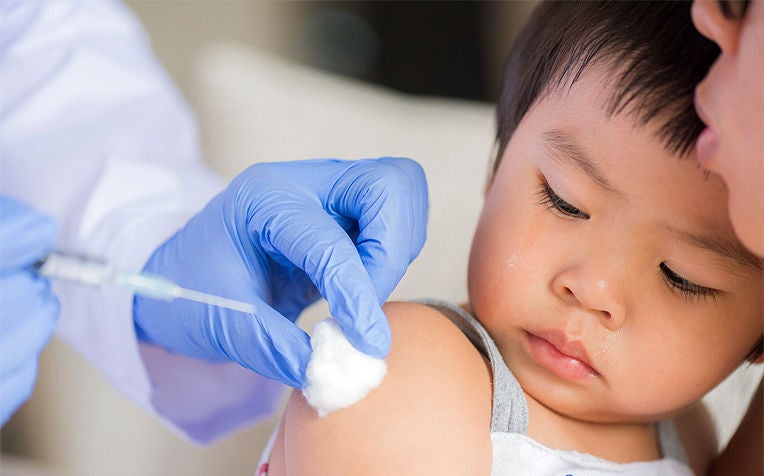
In Singapore, children routinely take two doses of either the MMR or MMRV vaccine - the first dose at 12 months old, and the second dose between 15 to 18 months old.
Measles, also known as rubeola, is a highly contagious viral infection that affects the respiratory system and often results in a skin rash.
Although the infection is more common among children, it can be contracted at any age.
According to the Communicable Diseases Agency (CDA), Singapore recorded 11 measles cases in January 2026 compared to two cases in 2025. All 11 cases involved individuals who were not fully vaccinated, including three infants under 12 months old who were not yet eligible for the measles, mumps and rubella (MMR) vaccination.
On 26 Feb 2026, based on advice from the CDA, Minister for Health Ong Ye Kung advised that babies aged six to 11 months travelling to countries with measles outbreaks should receive an early measles, mumps, and rubella (MMR) vaccination at least two weeks before departure. Infants must still complete the two-dose series under the National Childhood Immunisation Schedule for long-term immunity. Experts noted early vaccination may provide shorter protection due to maternal antibodies, but reduced infection risk.
"In Singapore, there are about 30 to 150 measles cases reported annually. The incidence is low because of the widespread use of the MMR (Measles, Mumps and Rubella) vaccine. It is a combination vaccine which protects children against measles as well as the infectious diseases mumps and rubella (German measles).
Vaccination against measles is the best way to prevent infection. Once a vulnerable person is exposed, the likelihood of contracting measles is very high,” advised Clinical Professor Thoon Koh Cheng, Senior Consultant from the Infectious Disease Service at KK Women’s and Children’s Hospital (KKH), a member of the SingHealth group.
Ways to avoid measles
1. Get vaccinated
In Singapore, there are two types of combination vaccines that protect against measles. The
- MMR vaccine prevents measles, mumps and rubella and
- MMRV vaccine prevents against measles, mumps, rubella and varicella (chickenpox)
As part of Singapore's National Childhood Immunisation Programme, children routinely take two doses of either an MMR or MMRV vaccine.
- First dose is given at 12 months of age
- Second dose is given between 15 to 18 months of age
Both vaccines are safe and provide adequate protection against measles.
Adults who are unsure of their vaccination status should consult a doctor, especially before overseas travel.
Women who are planning a pregnancy should ensure that they are adequately immunised against measles and other contagious diseases that may affect their unborn child.
2. Ensure full vaccination before travelling
Ensure full measles vaccination, especially before travel. If uncertain about immunity status, seek medical assessment at least four to six weeks before travel to confirm measles immunity, or receive the MMR vaccine.
3. Practise good hygiene
Maintain good personal hygiene at all times. While vaccination is key, hygiene helps reduce spread:
- Wash hands frequently with soap, particularly before handling food or eating, after using the toilet, or when hands are dirty from coughing or sneezing. If soap and water are unavailable, use an alcohol-based hand sanitiser that contains at least 60% alcohol
- Avoid touching your face
- Cover mouth and nose when coughing or sneezing
- Clean frequently touched surfaces
4. Avoid contact with persons who are unwell
If someone appears unwell or shows symptoms of illness:
- Avoid close contact with the person
- Do not share items such as utensils
- Keep vulnerable individuals (infants, elderly, immunocompromised) away
5. If you feel unwell with respiratory symptoms such as a cough or runny nose
- Wear a mask
- If you need to cough or sneeze and are not wearing a mask, practise good respiratory hygiene by covering your mouth with a tissue paper when coughing or sneezing, and dispose the soiled tissue paper in the rubbish bin immediately.
- Stay home and seek medical attention promptly. Inform the doctor if you have recently returned from overseas.
If you have measles
Measles symptoms typically appear 10-12 days after infection, although the full incubation period is 7-21 days.
Common measles symptoms include the following:
- Coughing
- Runny or stuffy nose,
- Malaise (feeling unwell)
- Red and watery eyes
- Fever
Two to four days after these initial symptoms surface, bluish-white spots known as Koplik's spots may start to appear on the inside of your cheeks.
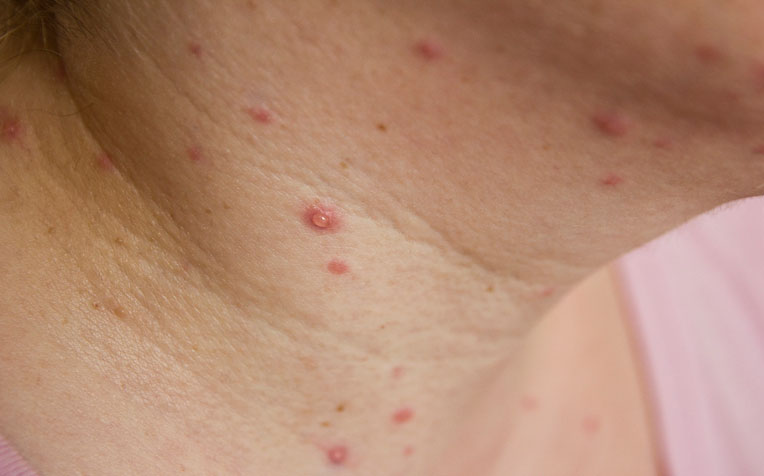
These are accompanied, either at the same time or slightly later, by a red or reddish-brown skin rash that starts on the face and neck 3 to 5 days after the fever, then spreads throughout the body.
In some cases, the infected person’s lymph nodes may also swell. Diarrhoea, vomiting and inflammation of the eyes are also associated symptoms of measles.
As of 6 Feb 2026 - To prevent the spread of measles within the community, CDA has instituted mandatory isolation for confirmed cases until they are no longer infectious. Cases who are not admitted to a hospital will be placed on home isolation. Contact tracing will also be conducted for all infected cases. Close contacts who are unvaccinated will be placed under quarantine for up to 21 days, while those at high-risk will be vaccinated to mitigate the risk of severe symptoms. |
Some patients, especially those who are malnourished or have a weak immune system, may develop severe measles with complications related to the brain, lungs, eyes or ears. Severe measles can be fatal.
“Potential complications include severe pneumonia, middle ear infection, brain infection or even widespread infection leading to multiple organ failure,” says Clin Prof Thoon.
Treatment for measles
There is usually no specific treatment for measles, although upon medical review, doctors can prescribe vitamin A to reduce the risk of complications of measles.
Patients usually get better with adequate rest and home care and may be given over-the-counter medication to relieve symptoms.
As mandated by CDA on 6 Feb 2026, confirmed cases are required to undergo mandatory isolation until no longer infectious.
The rash usually subsides on its own, after 5-6 days, and most patients make a full recovery. A person who has had measles develops lifelong immunity to the disease.
FAQs about measles
1. What to do if my child has not been vaccinated against measles?
If your child has not received the MMR vaccine, he or she can get vaccinated at a later date and still develop the same immunity against measles. However, delaying the vaccine is not recommended.
“Since the risk of infection remains as long as one is not vaccinated, it is highly recommended that a child receives the MMR vaccination at the appropriate age,” said Clin Prof Thoon. “For a missed booster dose, the child should catch up as soon as possible without restarting the schedule.”
If a child who hasn’t been vaccinated is exposed to measles infection, the risk of developing measles is 60 - 90 per cent.
2. What to do if a child who has not been vaccinated is exposed to measles infection?
Depending on when the exposure last occurred, and whether the child has any underlying conditions that compromise their immunity, doctors may recommend a dose of MMR vaccine or a special blood product (also known as Immunoglobulin) to be given to try to avert clinical measles. However, this does not guarantee that the child will not develop the disease.
“Success is highly variable,” said Clin Prof Thoon. “We need to stay ahead of the virus through timely vaccination; it remains our most effective line of defence for public health and preventing further spread to those who cannot be vaccinated.”
3. How safe and effective are vaccines against measles?
The MMR vaccine is highly effective and safe, and confers long-term immunity after completion of the recommended doses.
High vaccination coverage not only protects individuals but creates herd immunity within the Singapore population, that protects those who are unable to receive vaccination, such as infants under 12 months and severely immunocompromised individuals.
Clin Prof Thoon stresses the benefits of the MMR vaccine.
“Failing to vaccinate a child could potentially increase the risk that the child gets measles and passes on the infection to another person whose immunity is compromised and who might die from it,” he said.
Ref: F26
Related articles:
HFMD (Hand Foot Mouth Disease): How to Prevent and Treat
Pneumonia: How to Prevent and Treat
Tuberculosis (TB): Symptoms, Treatment and Prevention
Nipah Virus: What It Is, Symptoms to Watch For and How to Stay Safe

Stay Healthy the Easy Way
Get trusted health advice, offers and more.

Follow HealthXchange

