





1. Babies and young children are especially vulnerable to haze because they have increased exposure (children often spend more time outdoors), they breathe more relative to their body weight and their lungs and immune systems are still developing.
2. When the Pollutant Standards Index (PSI) exceeds 100 (indicating unhealthy air quality), outdoor exposure should be reduced, and avoid all strenuous outdoor physical activities.
3. N95 masks may not provide a proper fit for children and are never safe for newborns. There are no international certification standards for children’s N95 masks.
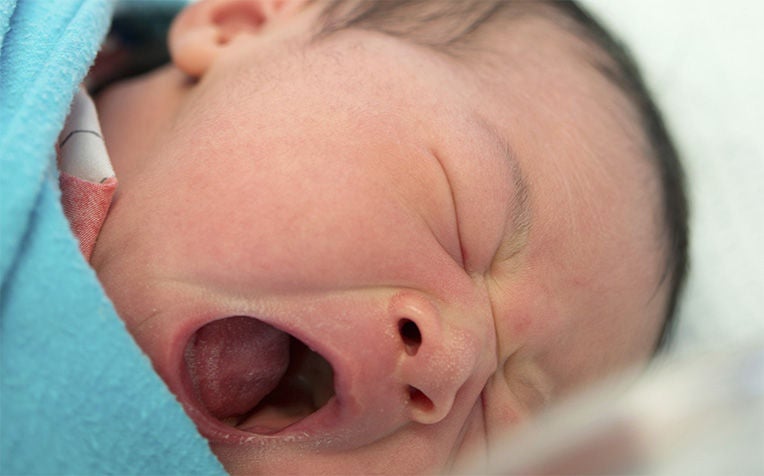
While most symptoms resulting from short-term haze exposure are temporary, children with asthma, allergies, or heart or lung conditions may experience severe flare-ups or exacerbations of their underlying conditions.
Why Babies and Children Are More Vulnerable to Haze
Children are especially vulnerable during periods of haze exposure due to the immaturity of their immune system and lung defence mechanisms
“Young children, especially those with underlying lung or heart conditions, should minimise prolonged or strenuous outdoor activities if PSI levels exceed 100,” says Adjunct Assistant Professor Thomas Biju, Senior Consultant from Respiratory Medicine at KK Women’s and Children’s Hospital (KKH), a member of the SingHealth group.
Acute exposure to haze can irritate the eyes, nose, throat, and lungs. Infants and children are at a greater risk of experiencing symptoms because they have a faster breathing rate than adults, which results in a proportionally higher intake of particulate matter relative to their body size.
Ill effects of the haze on newborn babies
Even in otherwise healthy children, acute exposure to haze may cause:
- Itchy, watery, or red eyes
- Runny or blocked nose
- Sneezing
- Dry or sore throat
- Dry irritant cough
- Breathing difficulty
- Reduced exercise tolerance
“Children who are exposed to the haze and experience any of these symptoms in their milder forms should recover on their own in time if they limit their ongoing exposure. However, if symptoms persist or are troublesome, they should seek medical help,” says Adj Asst Prof Biju.
Children With Pre-Existing Conditions
Those with asthma, allergic rhinitis, or allergic conjunctivitis may experience:
- More severe versions of the symptoms above
- Asthma attacks that may require emergency care
- Flare-ups of allergic rhinitis (itchy, runny, blocked nose)
- Infants & children with chronic lung disease
Guidance for Periods of Elevated Air Pollution
During times when the Pollutant Standards Index (PSI) count is high, adherence to specific precautions can mitigate exposure risks:
- Indoor Confinement: Remain indoors and ensure all doors and windows are closed to minimize the ingress rate of haze particulate matter into the home environment.
- Optimal Ventilation: Re-open windows and doors only when a demonstrable improvement in outdoor air quality has been confirmed.
- Strategic Outdoor Exposure: Should outdoor movement be necessary, schedule outings during periods of the day when air pollution levels are typically lower. Always verify current conditions at the official source: https://www.haze.gov.sg/
- Air Purification Systems: If budget permits, use air purifiers equipped with HEPA filters to achieve a significant reduction in indoor pollutants. Avoid models that generate ozone, as this can be detrimental to infants' health.
- Refrain from Indoor Smoking
- Activity Restriction: Avoid strenuous outdoor activities, including all forms of play and physical exercise. This is especially important if children have medical conditions like asthma or other chronic lung conditions.
- Appropriate Mask Usage: If outdoor exposure is unavoidable, ensure that any face mask utilized is the correct size and fit for the child's age group.
Precautions to Keep Children Safe During Haze
Outdoor Activity Guidelines
- PSI >100: Minimise prolonged or strenuous outdoor activity*
- PSI >200: Minimise outdoor activity
- PSI >300: Avoid all outdoor activity
*“Minimise outdoor activity” means normal movement from one indoor location to another is acceptable, but optional outdoor recreation (parks, sports, playgrounds) should be avoided.
At Home
- Keep doors and windows closed when PSI is high.
- Use air conditioning; clean filters regularly.
- Keep children well-hydrated.
- Refer to official advisories from NEA or MOH.
Extra Precautions for Children with Heart or Lung Conditions
- Continue regular medications as advised by your doctor.
- Seek medical care if symptoms worsen.
- Children with asthma should follow their asthma action plan if PSI >100 and symptoms such as coughing, wheezing or breathlessness occur.
- Medication Adherence: Patients should continue to adhere to their prescribed regular medications as advised by a healthcare professional.
- Medical Consultation: Individuals are advised to seek prompt medical care if symptoms persist or worsen.
- Asthma Management: Children diagnosed with asthma should strictly follow their established asthma action plan if the Pollutant Standards Index (PSI) exceeds 100 and symptoms such as coughing, wheezing, or breathlessness occur.
Haze and Newborn Babies
Newborns are extremely vulnerable and require special attention during haze episodes.
“Keeping the baby in an air-conditioned room all day is safe as long as the thermostat is set at 22–24°C and not 18–19°C,” says Clin Prof Victor Samuel Rajadurai, Emeritus Consultant, Department of Neonatology, KKH.
He also emphasises:
- Babies should not have protective curtains or covers around their beds — these do not block tiny haze particles and can cause overheating.
- Never place a mask on a baby, indoors or outdoors.
- If using an air purifier, avoid models that produce ozone, which can be harmful to infants.
Symptoms of Haze Exposure in Newborns
During times when the Pollutant Standards Index (PSI) count is high, adherence to specific precautions can mitigate exposure risks:
- Indoor Confinement: Remain indoors and ensure all doors and windows are closed to minimize the ingress rate of haze particulate matter into the home environment.
- Optimal Ventilation: Re-open windows and doors only when a demonstrable improvement in outdoor air quality has been confirmed.
- Strategic Outdoor Exposure: Should outdoor movement be necessary, schedule outings during periods of the day when air pollution levels are typically lower. Always verify current conditions at the official source: https://www.haze.gov.sg/
- Air Purification Systems: If budget permits, use air purifiers equipped with HEPA filters to achieve a significant reduction in indoor pollutants. Avoid models that generate ozone, as this can be detrimental to infants' health.
- Refrain from Indoor Smoking
Are N95 Masks or Surgical Masks Suitable for Children?
Newborns may experience:
- Itchy, watery, or red eyes
- Runny or blocked nose
- Dry irritant cough
- Mild breathing difficulty
Sneezing is often normal in newborns and usually not a cause for concern.
If symptoms involve the eyes, such as persistent redness or discharge, consult a GP to rule out infection. “If an eye infection is ruled out, then normal saline drops can help remove any dust particles or irritants in the eye,” says Prof Rajadurai.
If a rash develops, see a doctor if it appears unusual or does not improve within a few days.
High-Risk Infants
Extra caution is required for:
- Premature babies
- Infants with congenital heart disease
- Babies needing prolonged oxygen or respiratory support
- Infants on home oxygen
“Parents need to be extra vigilant... If respiratory symptoms such as worsening cough or breathing difficulty occur, consult the paediatrician or neonatologist early rather than attributing symptoms to the haze,” Prof Rajadurai advises.
Are Haze Effects Long-Term?
N95 masks are designed for a tight facial seal, but most N95 masks do not fit children properly and therefore offer unreliable protection.
“Many of the available N95 masks may not fit tightly on the face of a child so they may not be as effective as in an adult with a correctly fitted mask,” says Adj Asst Prof Biju.
Key Points
- There are no international certification standards for children’s N95 masks.
- Surgical masks are not effective at filtering fine particulate matter (PM2.5).
- Masks are not needed indoors.
- Masks must never be used on newborns.
Bottom Line
“Typically, the ill effects of acute exposure to the haze will be transient and temporary if your child is otherwise healthy. Long-term adverse effects usually will not occur unless there is prolonged and intense exposure over many months or years,” explains Adj Asst Prof Biju.
If symptoms worsen or persist, always consult a doctor.
Infants and children are particularly vulnerable to the health impacts of haze pollution
Parents can effectively safeguard their child's health by adhering to several key measures:
- Understanding the potential health risks associated with Haze is crucial for taking appropriate precautions.
- Remaining indoors when PSI levels are elevated helps minimize exposure.
- Avoiding improper mask use.
- Medical Consultation: Following professional medical advice, which is particularly vital for children with pre-existing medical conditions.

Ref: F26


Stay Healthy the Easy Way
Get trusted health advice, offers and more.

Follow HealthXchange

