






1. Medication Management Tips: Limit new medication supplies to two weeks, especially for initial prescriptions, and obtain as-needed medications in small quantities to minimize wastage.
2. When to Dispose of Medications: Dispose of medications when expired, damaged, or no longer needed. Ensure proper disposal to prevent accidental ingestion or environmental harm.
3. Safe Medication Disposal: Follow drug labeling instructions or pharmacist advice. Remove personal information, mix with unpalatable substances, and dispose with household waste to prevent misuse and environmental damage.
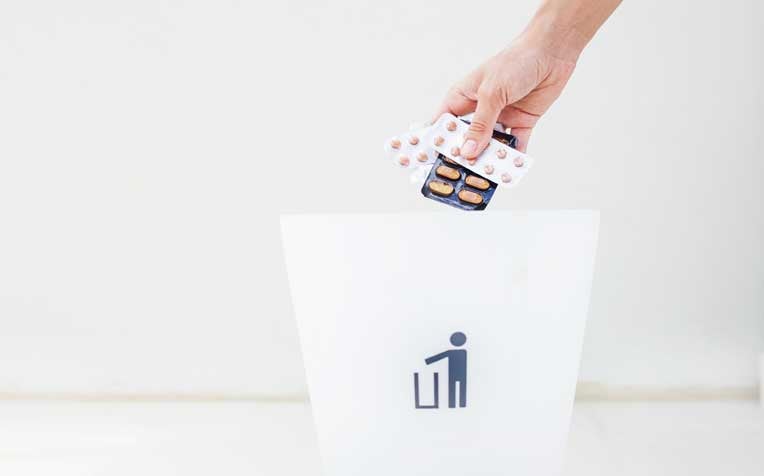
Medications should be disposed of promptly when they have show signs of deterioration such as a change in colour, smell, or consistency.
Do you hold on to extra medicines or prescription drugs thinking that they’ll come in handy when you next have a similar ailment?
Have you ever wondered if that stash of pills languishing at the back of the medicine cabinet is still safe to take? Or if there’s a proper way to dispose of unused or expired prescription drugs? If you do not know if a drug is still safe, check with your pharmacist. Saving old medications is unwise, says Ong Kheng Yong, Pharmacist, Pharmacy Department, Singapore General Hospital (SGH), a member of the SingHealth group.
He addresses some common questions on proper handling and disposal of prescription drugs.
How can I avoid having expired or unwanted medications?
Follow these general tips when collecting medications from your pharmacist:
- When prescribed new medications, limit collection to two weeks’ supply. This is to prevent wastage in case you suffer adverse effects, or the medication proves unsuitable for you and needs be changed.
- For medications taken on a “use when necessary” basis, obtain them in small quantities and purchase more only when necessary. This applies to common household medications such as paracetamol (for pain or fever) and chlorpheniramine (for runny nose or skin itch).
- For long-term medications, collect them in instalments, e.g. a three-month supply each time, to minimise wastage. Make use of express refill and home delivery services at the pharmacy to collect future instalments instead of collecting large supplies at one go.
When should I dispose of medications?
Medications should be disposed of promptly when:
- They have expired, or when there is doubt about the expiry date, e.g. if the box was damaged or if a part of the blister strip was cut off
- The shelf-life is reduced, e.g. due to improper storage conditions
- They show signs of deterioration, e.g. change in colour, smell or consistency
- The treatment is no longer required by the person it is intended for, and is not meant for standby for use on an as-needed basis
How should I dispose of my expired or unused medication?
Follow the disposal instructions on the drug labelling or patient information leaflet that accompanies the drug, or as instructed by the pharmacist.
If there are no specific instructions on how to dispose of the medications, they are generally disposed of as general refuse (or waste), together with other household waste, in the refuse chute or bin.
These are the general guidelines for disposal:
- Remove and destroy all identifying personal information, e.g. the prescription label with your name/IC number/date, from the medication bag or container. This is to protect your identity.
- Dissolve tablets/capsules in water, and mix the liquid with other general waste that appears unpalatable, (e.g. dishwashing detergent). This will reduce the likelihood that a child or pet will find and ingest the substance. Place the mixture in a plastic bag or “zipseal” bag and seal it. This extra level of protection is another way to prevent accidental exposure to pets or children. It is also to make sure the medication will not fall into the wrong hands. Once the medication is thoroughly disguised and sealed in a bag, throw it out with your trash.
- For medicines in a skin patch, fold the used patch so that the sticky sides come together to conceal the active surface.
- For liquid medicines in large quantities, e.g. more than 250ml, dispose them over a period of a few days, or empty the contents on to absorbent materials (e.g. newspaper) before disposing.
- For injectable medicines, re-cap the needle immediately after use so that it cannot cause injury. Also check that there is no liquid medication left in the syringe barrel before disposal.
Medicine Myths Busted
- Expired meds can still be used
If your medicine cabinet has any expired medications, or any that you no longer need or use, they may be ineffective if the contents have deteriorated. They could even be dangerous if the broken down by-products are toxic.
- I can share my medicines with friends who have the same symptoms
Some conditions may appear to have the same symptoms, but they may be due to a different disease altogether. Sharing of medicines may harm your friends instead. Prescription medicines should not be taken by anyone other than the person it was originally prescribed for.
- I can flush away my unwanted meds down the toilet
It is important that medications are disposed of in a proper manner, in order to reduce possible harm to self or others from accidental exposure or intentional misuse.
For example, some skin patches/plasters (that deliver potent pain medicines through the skin e.g. fentanyl) can cause severe breathing problems and even lead to death if accidentally ingested or played with by babies, children and pets. Even adults can face similar problems, if they are not supposed to be taking a particular medicine.
Ref: O17
Contributed by

Stay Healthy the Easy Way
Get trusted health advice, offers and more.

Follow HealthXchange

