






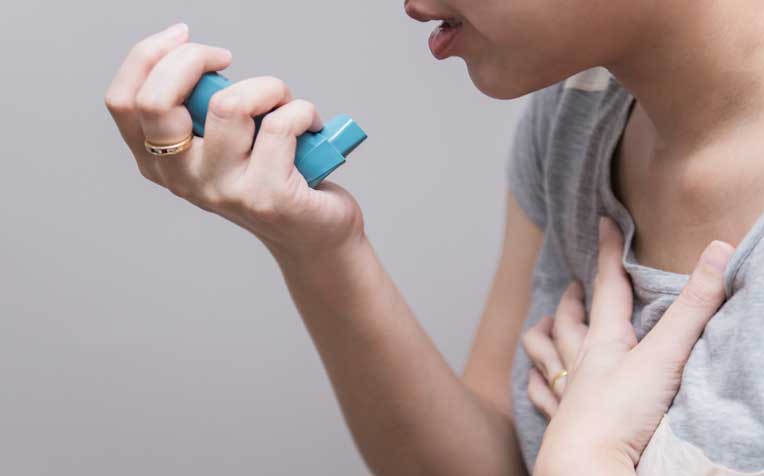
Treatment for COPD include bronchodilators, inhaled corticosteriod medications, and antibiotics.
Chronic obstructive pulmonary disease, or COPD, is a long-term lung condition that causes persistent airflow limitation and makes breathing progressively more difficult. It often develops slowly over the years, so the early signs can be easy to miss or mistake for something else.
In Singapore, COPD mainly affects people over the age of 40 and it is the sixth major cause of death.
Smoking is the single biggest risk factor, although other exposures, such as occupational dust and fumes, can contribute too. COPD cannot currently be cured, but with appropriate treatment for COPD and everyday lifestyle management, many people can keep symptoms under control and reduce the risk of complications.
This guide looks at what COPD is, its common symptoms, how it's diagnosed, treatment options, and the everyday habits that can help manage the condition and lower the risk of flare-ups.
What is chronic obstructive pulmonary disease (COPD)?
Chronic obstructive pulmonary disease (COPD) is a long-term lung condition that makes it harder to breathe over time.
It is an umbrella term that covers a spectrum of airway and lung damage, most commonly associated with chronic bronchitis (long-term inflammation and narrowing of the airways) and emphysema (damage to the tiny air sacs in the lungs), which narrow the airways and reduce the lungs' ability to empty fully with each breath.
Many people with COPD have a mix of both, rather than one or the other.
Because the changes usually build up gradually, COPD is often described as a disease of slow onset, one that people may live with for years before it's diagnosed.
In Singapore, it's more commonly seen in people over the age of 40, reflecting how the lung damage tends to accumulate over a long period of exposure to risk factors like smoking.
COPD symptoms
COPD symptoms usually develop gradually, which is part of why they're so often dismissed as a normal part of ageing, a lack of fitness, or just a lingering smoker's cough. Common signs include:
- Shortness of breath, especially during physical activity
- A persistent cough that doesn't go away
- Increased mucus or phlegm
- Wheezing or a whistling sound when breathing
- Chest tightness
- A reduced ability to exercise or carry out normal daily activities
- Recurrent respiratory infections
Because these symptoms tend to creep in slowly, many people only seek medical attention once breathlessness starts interfering with everyday tasks, such as climbing stairs, carrying groceries, or keeping up on a walk, by which point some degree of lung damage has usually already occurred.
Noticing and acting on early symptoms, rather than assuming they're just a sign of getting older or unfit, is one of the more useful things a person can do for their long-term lung health.
If you've noticed any combination of these symptoms, particularly alongside a history of smoking or occupational exposure, it's worth raising them with your doctor rather than waiting to see if they pass.
Risk factors for COPD
Several factors are known to raise the risk of developing COPD, and understanding them helps explain why prevention efforts focus so heavily on avoiding exposure to lung irritants in the first place.
1. Cigarette smoking
Smoking is the leading risk factor for COPD by a wide margin. In high-income countries, tobacco smoking is estimated to account for more than 70 percent of COPD cases, and the risk rises the longer and more heavily someone has smoked. Not everyone who smokes develops COPD, which suggests that individual susceptibility also plays a role, but smoking remains the single most significant, and most preventable, contributor to the disease.
2. Second-hand smoke exposure
Frequent exposure to second-hand smoke can also contribute to COPD risk, even for people who have never smoked themselves. Long-term exposure to smoke in shared living spaces or workplaces adds to the cumulative burden placed on the lungs over time.
3. Occupational exposure to dust and chemicals
Occupational exposure to chemical fumes, dust, and other airborne pollutants is another recognised risk factor, particularly with long-term or repeated exposure in poorly ventilated settings.
Workers in industries involving heavy dust, chemical vapours, or combustion by-products may be at higher risk, especially when this exposure is combined with smoking.
4. Recurrent respiratory infections
Persons suffering from frequent lund infections particularly during childhood or repeated serious infections over the years, are associated with a higher likelihood of developing COPD later in life, though this is one of several contributing factors rather than a cause on its own.
5. Genetic factors
Genes can also play a role in a smaller number of cases. A hereditary condition called alpha-1 antitrypsin deficiency, for instance, can predispose some people to COPD even without significant smoking exposure, though this is considered an uncommon cause compared with smoking and environmental exposure.
According to a 2024 clinical guidance document from Singapore's Agency for Care Effectiveness, COPD is estimated to be the tenth-highest cause of death in Singapore, a reminder that it remains a significant, if often under-recognised, contributor to the country's disease burden.
If smoking is a factor in your own risk profile, quitting smoking is consistently identified as the single most effective step toward reducing further lung damage, a point this guide returns to later.
How is COPD diagnosed?
COPD is usually assessed through a combination of factors rather than a single test.
A doctor will typically review your symptoms and medical history, ask about your smoking history and any occupational or environmental exposures, and carry out a physical examination.
Diagnostic methods include:
- Lung function testing plays a central role in confirming the diagnosis. The main test used is called spirometry, a simple breathing test that measures how much air you can exhale and how quickly.
Spirometry helps confirm whether airflow obstruction is present in people who have relevant symptoms and risk factors, and it remains the standard test recommended in current Singapore and international clinical guidance for confirming COPD.
- Depending on your situation, your doctor may also order a chest X-ray or computed tomography (CT) scan to rule out other causes of your symptoms, along with blood tests to check for infection or, in select cases, an underlying genetic cause.
Your doctor will explain what your specific results mean for your situation, and what, if anything, they suggest about the severity of your condition.
COPD: How to treat
While the lung damage associated with COPD cannot be reversed, treatment can help manage symptoms, slow disease progression, and support everyday function.
Treatment is individualised, and what is appropriate for one person may not suit another, so this is a general overview rather than a substitute for your own doctor's advice.
1. Lifestyle changes
Avoiding exposure to environmental pollutants and occupational hazards is essential. Adopting a well-balanced and nutritious diet and staying physically active are also important.
“It's also important to maintain a healthy body weight. If you’re overweight, the extra weight makes it even more difficult to breathe, but if you don’t consume enough calories to replace what you use up on a daily basis, you will end up with wasting of the diaphragm and other pulmonary muscles.
And if you are a smoker, stop smoking completely,” shared Clinical Associate Professor Ong Thun How, Senior Consultant, from the Department of Respiratory and Critical Care Medicine at Singapore General Hospital (SGH), a member of the SingHealth group, advises.
Smoking cessation
We can't emphasise this enough: if you are a smoker and suffer from COPD, the most important measure to take is to stop smoking completely as continued smoking accelerates disease progression.
Within a couple of years of stopping, the rate of decline of lung function due to COPD improves. Medications are available which can increase your ability to quit successfully.
2. Medications
Inhaled medication is a common starting point, typically bronchodilators that help relax and open the airways to ease breathing.
Depending on the severity and pattern of a person's symptoms, a doctor may prescribe a single bronchodilator or a combination of medications.
Inhaled corticosteroids and antibiotics are sometimes used as part of a wider treatment plan, generally in more specific situations, such as during a flare-up caused by infection, or when symptoms and exacerbation risk meet certain criteria, rather than as routine treatment for everyday COPD symptoms.
Pulmonary rehabilitation is a structured, supervised programme that combines exercise training with education on breathing techniques, correct inhaler use, dietary guidance, and general self-management, and it often includes psychological support as well, since living with a breathlessness-limiting condition can affect mood and confidence as much as physical capacity.
Programmes are typically run over several weeks, with sessions held a few times a week, and are tailored to the individual's level of fitness and symptom severity.
Pulmonary rehabilitation is specifically designed to help people manage breathlessness and stay as active as possible in daily life.
It is considered one of the more effective tools available for improving exercise tolerance and day-to-day function for people living with COPD, and it can also help people feel more confident managing breathlessness outside of a clinical setting.
If your doctor suggests pulmonary rehabilitation, it's generally worth discussing what the programme involves and how it might fit into your routine, since building this kind of structured support in early can make ongoing management considerably easier over time.
Oxygen therapy may be prescribed for people with more severe COPD whose blood oxygen levels fall below a certain threshold when tested, following a proper medical assessment. It isn't something every person with COPD will need, and the decision is based on individual testing rather than symptom severity alone.
For more information about COPD treatment options, visit SingHealth Symptoms & Treatments.
Managing breathlessness and daily activities
Breathlessness is one of the more disruptive aspects of living with COPD, but there are everyday techniques that can help make it more manageable.
Controlled breathing methods, such as pursed-lip breathing (breathing out slowly through pursed lips, as though blowing out a candle) and sitting in a forward-leaning position with your arms supported to rest, are commonly recommended ways to ease an episode of breathlessness.
Pacing activities, taking rest breaks before you feel fully out of breath rather than after, and organising your living space, keeping frequently used items within easy reach, for instance, to reduce unnecessary exertion can also help.
Some people also find a handheld fan directed at the face provides some relief during an episode, though individual experiences vary. Your doctor or a pulmonary rehabilitation programme can teach these techniques in more detail and tailor them to your specific needs, and can help you build a plan for what to do when breathlessness strikes unexpectedly. You can also checkout these breathing techniques for COPD.
Managing cough and phlegm with COPD
A chronic cough and increased phlegm are common with COPD, and while they can be frustrating, a few everyday habits can help in managing phlegm:
- Staying appropriately hydrated, which can help keep mucus less thick and easier to clear
- Following your prescribed COPD treatment as directed
- Clearing mucus gently where appropriate, rather than suppressing a productive cough
- Monitoring any changes in the amount, colour, or thickness of your phlegm
- Seeking medical advice if your symptoms suddenly worsen or your phlegm changes noticeably
A sudden increase in phlegm, or a change in its colour or thickness, can sometimes be an early sign of a flare-up, which is covered in more detail below.
Managing COPD flare-ups (exacerbations)
COPD symptoms don't always stay at the same level. Periods where symptoms suddenly become worse, known as flare-ups or exacerbations, can happen from time to time. Possible signs of a flare-up include:
- Increased breathlessness
- Increased coughing
- More phlegm than usual, or a change in its colour or thickness
- Wheezing or chest tightness that's worse than usual
- A reduced ability to carry out normal daily activities
Respiratory infections are a common trigger for flare-ups, though other factors, such as exposure to air pollution, haze, or extreme weather, can also play a role. A flare-up can range from mild, manageable with a temporary adjustment to your usual treatment, to severe enough to require hospital care, so it's not something to assume will settle on its own.
Worsening symptoms should always be assessed by a doctor rather than self-managed. Medications such as antibiotics or oral steroids are sometimes used during a flare-up, but only when prescribed by a doctor based on your specific situation, such as evidence of a bacterial infection or a significant increase in symptom severity. Starting these on your own without medical guidance isn't recommended, and doing so can mask a worsening condition rather than genuinely address it.
How to reduce COPD flare-ups
While flare-ups can't always be prevented entirely, several everyday habits are associated with a lower risk of them occurring:
- Stop smoking, and avoid vaping as a substitute
- Avoid second-hand smoke where possible
- Reduce exposure to dust, fumes, and other lung irritants, particularly in occupational settings
- Take prescribed medication correctly and consistently, even when symptoms feel stable
- Stay physically active, as advised by your doctor or pulmonary rehabilitation team
- Maintain appropriate nutrition and a healthy body weight
- Stay up to date on recommended vaccinations
- Seek treatment early for respiratory infections, rather than waiting for symptoms to worsen
Staying current with vaccinations is a particularly practical step, since respiratory infections are such a common trigger for flare-ups.
An annual flu vaccine is generally recommended, and adults with chronic lung disease, including COPD, are also identified as a group for whom pneumococcal vaccination is recommended.
You can find a fuller overview in our guide for recommended vaccines for adults.
Smoking cessation and COPD
Of all the everyday steps that can help manage COPD, smoking cessation is consistently regarded as the most important.
Quitting isn't easy, and most smokers need more than one attempt before they succeed.
If you're a smoker looking to quit, check out our guide on how to quit smoking, which covers practical strategies and the support options available in Singapore.
When to see a doctor
Certain situations call for prompt medical attention rather than waiting to see if symptoms settle on their own. These include:
- New or worsening breathlessness
- A significant increase in coughing or phlegm
- Repeated respiratory infections
- Symptoms that are starting to interfere with your daily activities
- Difficulty controlling symptoms despite following your treatment plan
Severe breathing difficulty, bluish lips or fingertips, confusion, or rapidly worsening symptoms are signs that need urgent medical attention.
If you or someone with you experiences these, seek emergency care immediately rather than waiting for a scheduled appointment.
COPD causes permanent lung changes, but that doesn't mean the condition can't be managed.
Appropriate treatment for COPD, smoking cessation, pulmonary rehabilitation, keeping up with vaccinations, and ongoing medical care can all play a part in helping to manage symptoms and support day-to-day quality of life.
If you're experiencing persistent breathlessness, cough, or other symptoms that could point to COPD, speaking with your doctor is the best place to start.
Ref: F26 (seo)
Related articles:
Chronic Obstructive Pulmonary Disease (COPD) - Risk Factors, Treatment and Breathing Techniques
Smoking and Chronic Obstructive Pulmonary Disease (COPD) - Doctor Q&A
Contributed by


Related Articles


Stay Healthy the Easy Way
Get verified health advice, offers and more.

Follow HealthXchange

