






1. Immunotherapy is a new cancer treatment that uses patient's own immune system to fight cancer cells.
2. T-cells, antibodies, and cytokines are key components used in different types of immunotherapy treatments.
3. While promising, immunotherapy works alongside traditional treatments like chemotherapy, radiation, and surgery.
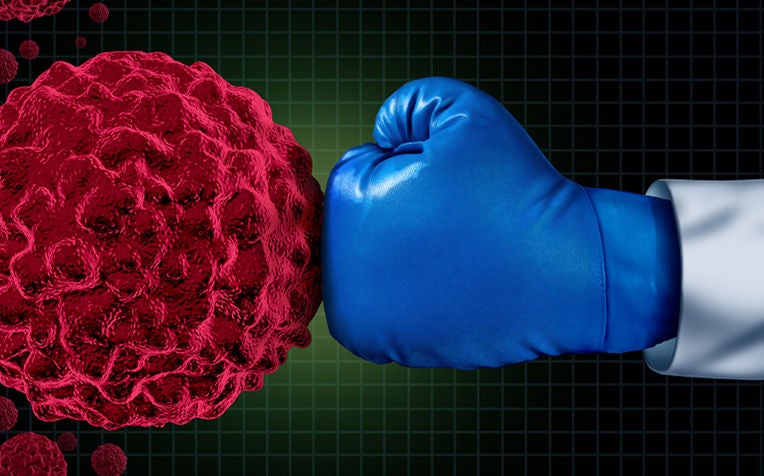
Immunotherapy allows patients to use their own immune system to fight cancer.
A patient with cancer can potentially be treated with one or more of the five pillars of cancer treatment:
- Surgery,
- Chemotherapy,
- Radiation therapy,
- Hormone therapy and
- Targeted therapy
Now, immunotherapy can be considered part of the arsenal for some cancers.
Cancer immunotherapy consists of treatments that boost the immune system, allowing the body’s own defences to combat cancer.
Encouraging results from some landmark clinical trials in the last three to five years have demonstrated some very dramatic clinical responses in certain cancers, said Professor Toh Han Chong, Deputy Chief Executive Officer (Strategic Partnerships) & Senior Consultant with the Division of Medical Oncology at National Cancer Centre Singapore (NCCS), a member of the SingHealth group.
“Cancer cells are good at disguising themselves, but new knowledge has helped us figure out how they do this in greater detail, and how we can recognise some subtle differences between cancer cells and normal cells, so as to design sophisticated immunotherapy drugs that exploit this weakness in cancer’s Achilles heel.
With the use of immunotherapy, the immune system can actually recognise and combat these cancer cells in a much more precise manner now while sparing normal cells,” Dr Toh said.
4 main forms of immunotherapy
There are different types of cancer immunotherapy. Some rely on harnessing the patient’s own blood as the main source of treatment development, while others use laboratory-made or commercially manufactured immune system proteins and antibodies.
The main forms of immunotherapy include:
- Vaccines,
- T-cell therapy
- Antibodies, and
- Cytokines
Vaccines
There are two main types of cancer vaccines:
- those which reduce the risk of cancer (prophylactic vaccines) and
- those which treat established cancer (therapeutic vaccines)
Prophylactic vaccines are given to reduce the risk of people getting specific cancers. Among those now available are vaccines to prevent Hepatitis B (thus reducing the risk of liver cancer) and vaccines that induce immunity against human papillomavirus thus reducing cervical cancer risk.
Therapeutic vaccines are given to people who already have established cancer. These train the immune system to recognise and destroy cancer cells existing in some amount in the human patient. While there are many ongoing trials evaluating therapeutic cancer vaccines, only one has been FDA-approved so far – Sipuleucl-T, or Provenge – and this is for the treatment of advanced prostate cancer.
T-cells
Grown in the laboratory using a patient’s own blood, T-cells are gaining traction as an important form of immunotherapy.
Dr Toh describes them as the body’s fighting soldiers. These T-cells can be engineered to become very sophisticated highly-trained soldiers that can be developed to target protein(s) on the cancer cells, grown to very large numbers, sometimes in the billions, to be then reintroduced to the patient to specifically attack the cancer existing in the body.
Dr Toh said several studies have shown dramatic success of one particular form of T-cell therapy, that of the chimeric antigen receptor (CAR) T-cell therapy, against leukaemia that has become resistant to conventional treatment.
After getting this therapy, many patients with acute leukaemia, who had no other treatment options available to them, became completely cancer-free and have remained cancer-free for some years now.
However, it is not yet clear if they have all been cured. Still, CAR T-cell therapy is being hailed as a major breakthrough in the treatment of leukaemia. Dr Toh’s own study group has been working on harnessing the body’s own T-cells and re-engineering them to attack viral proteins on virally-driven cancers such as nasopharyngeal cancer (nose cancer).
Antibodies
Antibodies are like guided missiles, homing in on cancer cells or the surrounding immune cells to effect their function of containing the cancer.
They can either directly kill cancer cells or activate a patient’s immune system to fight the cancer.
“New types of antibodies that activate the immune system to fight cancer (anti-PD1 and anti-PDL1) have been especially successful in melanoma (skin cancer) treatment. They are also looking exciting for lung cancer, Hodgkin’s lymphoma and other cancers such as bladder cancer and gastric cancer,” said Dr Toh.
Cytokines
These signalling proteins produced by white blood cells help the immune system to recognise and destroy cancer cells.
They include interferons, which help the immune system boost the ability of certain immune cells to attack cancer cells and slow their growth, and interleukins, which help those immune cells grow and divide more quickly in order to destroy the cancer.
Putting immunotherapy into perspective, Dr Toh said that like other treatments, it works well on some cancers and not others, and that even within a particular cancer, it works well for some patients and not others.
The field is still evolving; globally, tremendous resources are now being poured in to assess the true benefit of different kinds of cancer immunotherapy on many types of cancer.
“Chemotherapy treatment goes back over 60 years and is a cornerstone in the treatment of many types of cancer. With radiotherapy, there’s going to be increasingly more accurate radiation therapy technology, and radiotherapy will undoubtedly continue to be a pillar in cancer therapy. So too for surgery which in many cases, is the crucial mode of treatment to eradicate cancer.
These remain the standard bearers of cancer treatment, as well as targeted therapy and hormone therapy for some cancers. And now, we can add immunotherapy to the list.”
Ref: Q15
Contributed by


Related Articles


Stay Healthy the Easy Way
Get trusted health advice, offers and more.

Follow HealthXchange

