






1. Smoking affects nearly every organ in the body, including fertility in both men and women.
2. Nicotine addiction is powerful but quitting is achievable, and the body starts healing within minutes of quitting.
3. With the right support, many smokers in Singapore have successfully quit for good.
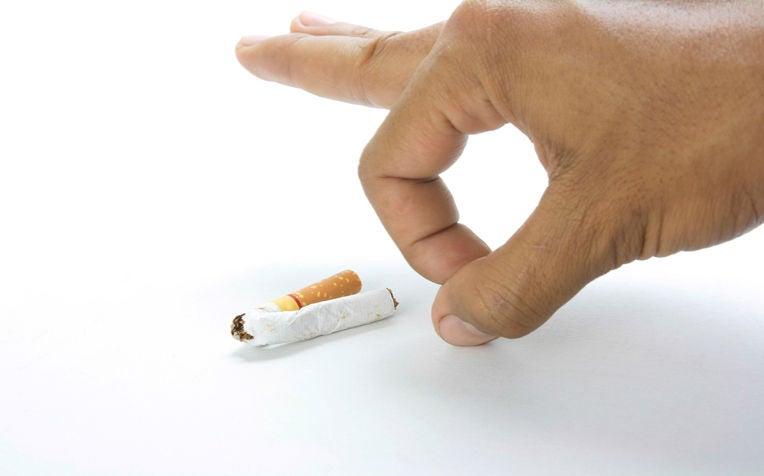
Smoking: Are these myths keeping you from quitting the habit?
Smoking harms almost every organ of the body. It affects fertility in both men and women, increases the risk of birth defects and miscarriage, and damages the heart, blood vessels and lungs. Despite widespread awareness of these dangers, about 1 in 10 adults still smoke today, with higher rates among men and younger adults, according to Singapore’s National Population Health Survey 2019.
Why is it so hard to quit?
Nicotine is among the most addictive substances known. It reaches the brain within seconds of inhalation, triggering a dopamine ‘hit’, a chemical linked to pleasure and relief. This effect is short-lived. When it wears off, cravings return and drive the urge to smoke again. Over time, this cycle strengthens dependence, making quitting more challenging than many people expect. Understanding this process helps explain why quitting is more than willpower – and why support matters.
How Smoking Affects overall health and Fertility
In men
• Reduced sperm count and quality
• High risk of infertility and erectile dysfunction
In women
• Harder to become pregnant
• Higher risk of miscarriage and birth defects
During pregnancy
• Harms the baby both before and after birth.
Overall health
• Higher risks of heart disease, stroke, lung disease and cancers.
When a cigarette is lit up, it releases more than 7,000 chemicals, including at least 70 known cancer-causing substances These chemicals enter the bloodstream with every puff and affect organs throughout the body, increasing the risk of multiple cancers such as lung, mouth, throat, oesophagus, stomach, pancreas, liver, bladder, kidney and cervix
Why Quitting Smoking Feels so Hard
Nicotine dependence is powerful. As Mark Twain famously said, “It is easy to quit smoking. I’ve done it hundreds of times.”
“Nicotine is very addictive, even more addictive than drugs. It has a physiological, behavioural and psychological hold on you,” says Ms Evelyn Boon, Senior Principal Psychologist, Department of Psychology, Singapore General Hospital (SGH).
She adds that smokers can experience physical and psychological withdrawal symptoms, especially moderate to heavy smokers.
Some smoke as an emotional crutch — when stressed, upset or angry. For others, smoking is a habitual routine (e.g., after meals or first thing in the morning).
The good news is that each of these contributing components can be addressed, using practical strategies, medications, and support.
Benefits of Quitting Smoking
The benefits start almost immediately:
• 20 minutes: Blood pressure and heart rate begin to normalise
• 8 hours: Oxygen levels improve
• 24 hours: Your body starts clearing carbon monoxide; breathing improves
• 2–5 years: Stroke risk reduces to that of a non-smoker
• 10 years: Lung cancer risk drops by half
Quitting also protects your family — exposure to second-hand smoke increases their risks of lung cancer, heart disease, stroke, asthma and bronchitis.
Smoking Myths and Facts: Clearing the Air
Myth 1: Quitting won’t help me because I’ve smoked for years.
Fact: It is never too late. Your body starts healing within minutes of your last cigarette.
Myth 2: Smoking only a few cigarettes a day is safe.
Fact: There is no safe number of cigarettes. Even 3–5 cigarettes a day significantly increases cardiovascular and heart attack risks.
Myth 3: Smoking is relaxing and improves mood.
Fact: Each cigarette delivers 1mg of nicotine to the brain within 7–10 seconds, triggering dopamine release. This creates a short-lived “reward” cycle — not true relaxation — and increases heart rate and artery narrowing.
Myth 4: Hand-rolled cigarettes or vaping are safer.
Fact: Chemical levels in urine are similar in smokers of factory-made and hand-rolled cigarettes.
Vaping is not proven to help long-term quitting and carries its own risks.
Myth 5: Light cigarettes are less harmful.
Fact: These labels often refer to flavour, not nicotine content. Smokers of “light” cigarettes often inhale more deeply or smoke more sticks — negating any perceived benefit.
Myth 6: Smoking at the window or balcony protects my family
Fact: Third-hand smoke refers to the toxic chemicals from tobacco smoke that remain in surfaces and in dust after a cigarette has been extinguished. These invisible residues are transferred via clothes, furniture and hands – can persist for weeks to months indoors.
Myth 7: Quitting smoking is all about willpower
Fact: Willpower alone is unreliable. Changing routines, environments and using support greatly improves success
What to Expect When You Quit Smoking
During the first two weeks, the body adjusts to being smoke-free.
Possible physical symptoms
• Coughing
• Flu-like symptoms
• Constipation
• Headaches
Possible psychological symptoms
• Mood swings
• Irritability
• Low mood
Weight changes
Some people gain 2-5kg due to improved appetite and metabolic changes. Nevertheless, the health benefits of quitting far outweigh the risks of modest weight gain.
Helpful tips
• Choose high-fibre, low-calorie foods
• Keep healthy snacks on hand
• Stay well hydrated well
• Exercise regularly.
How to Quit Smoking: Practical, Proven Tips
Quitting requires determination and a plan. Here’s how to get started:
1. Identify your smoker pattern
Physical dependence:
o Nicotine replacement therapy such as patch, spray help ease withdrawal while gum, lozenge can be a substitute for “hand-to-mouth” routine
Behavioural habits:
o Replace routines with alternatives (short walk, light chores, hobbies)
o Cravings usually peak for 5-10 minutes – try the 4 Ds: Delay, Distract, Drink water, Deep breathing.
Emotional dependence:
o Learn to recognise emotions that trigger smoking
o Replace cigarettes with healthier ways to manage stress, boredom, or frustration,
o Each resisted craving strengthens your ability to cope without smoking
2. Set a quit date
Pick a meaningful and realistic date (e.g., birthday, New Year, first of the month).
3. Choose your quitting method
· Gradual reduction
· Stopping immediately (Cold turkey)
· Medications with behavioural support
There is no single ‘best’ way but using support and medication together gives you highest chance of success — choose what suits you best.
4. Set up for success
· Don’t buy extra packs “just in case”
· Consider a smoke-free home policy
· Remove ashtrays, lighters and smoking items from your home
· Create a quit-smoking piggy bank: Fine yourself $10 (price of a pack) each time you smoke; reward yourself monthly if you stay smoke-free.
How Family and Friends Can Support
· Expect some crankiness — it’s normal
· Stock healthier snacks
· Quit together if multiple family members smoke
· Avoid smoking in front of someone who is trying to quit
Professional Support and Quit-Smoking Services in Singapore
There are many avenues for help:
1. SGH Smoking Cessation Programme
Run by the Department of Respiratory and Critical Care Medicine.
Call: 6321 4377
2. SGH Smoking Cessation Service (Pharmacist-led)
For both patients and non-patients.
Call: 6326 5361 (8am–5pm, Mon–Fri)
3. Health Promotion Board (HPB)
• Quit Smoking Helpline: 1-800-438-2000
• “I Quit” programme and mobile app
4. Community pharmacies
Provide advice, nicotine replacement therapy and quit tools.
Quitting is hard — but possible. With help, planning and persistence, you can live a healthier, smoke-free life.

Ref: F26
Check out articles on lung cancer:
New Study Links Genetic Diversity in Asian Lung Cancer and Resistance to Treatment
Why Non-Smoking Asian Females Can Still Be at Risk of Lung Cancer
Contributed by

Related Articles


---risk-factors,-treatment-and-breathing-techniques/Thumbnail%20copd.png)

Stay Healthy the Easy Way
Get trusted health advice, offers and more.

Get the Health Buddy App


Follow HealthXchange

