






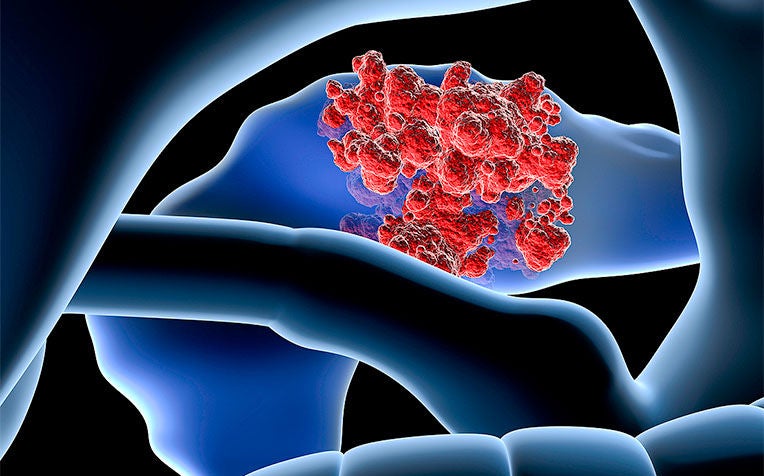
Pancreatic cancer mainly affects the elderly with a slightly higher incidence in men.
There are several types of pancreatic cancers. The most common type of pancreatic cancer, called ductal adenocarcinoma, is aggressive.
Another type or pancreatic cancer, which is increasingly being diagnosed is cystic cancers of the pancreas, says Professor Pierce Chow, Senior Consultant from the Division of Surgery and Surgical Oncology at National Cancer Centre Singapore (NCCS), a member of the SingHealth group.
Types of pancreatic cancer
Pancreatic cancers are categorised according to:
Where they occur in the pancrea, and
The type of cell that the cancer started
Pancreatic exocrine cancers are the most common form of pancreatic cancer, accounting for 95% of all pancreatic cancers. About 95% of these are adenocarcinomas.
Neuroendocrine pancreatic cancers are less common, accounting for about 1% of all pancreatic cancers.
In Singapore, pancreatic cancer is the 9th most common cancer in males and females.
It is generally aggressive and ranks as
4th most common cause of cancer death in males and
5th most common cause of cancer death in females
Causes and risk factors for pancreatic cancer
The causes of pancreatic cancer are unknown. several factors have been found to play a role in its development. Some risk factors include:
- Smoking cigarettes, cigars and using tobacco
- Age, as pancreatic cancer is more common in people over the age of 70
- Obesity or excessive fat accumulation especially around the waist
- Pancreatitis, a condition in which the pancreas has chronic inflammation
- A family history of pancreatic cancer
- Hereditary syndromes such as BRCA2 gene mutation, Lynch syndrome and familial atypical mole-malignant melanoma (FAMMM) syndrome
- High sugar consumption is another possible risk factor. A research team from the University of Minnesota School of Public Health found that those who drank two or more soft drinks every week had an 87 per cent higher risk of developing pancreatic cancer than those who did not.
- Other studies have pointed to a high-fat and low-fibre diet, heavy alcohol use, and working in a toxic, chemical-laden environment, as risk factors for pancreatic cancer.
Diabetes is NOT KNOWN to increase the risk of pancreatic cancer.
A small number of cases are related to inherited faulty genes passed down through families.
However, having a risk factor or even several risk factors does not indicate that you will get the disease. In some cases, some pancreatic cancer patients do not have any known risk factors.
7 Ways to lower your risk of pancreatic cancer
- Avoid smoking or inhaling second-hand smoke from cigarettes or cigars: Smoking is the single biggest known risk factor for developing pancreatic cancer. It accounts for 40 per cent of all pancreatic cancers.
- Limit alcohol consumption
- Lower your fat intake
- Adopt a diet with a high intake of fruits, vegetables and whole grains
- Reduce intake of sugary soft drinks: A US research study on 60,000 Singapore Chinese men and women over a 14-year period has pointed to the intake of soft drinks as a risk factor for pancreatic cancer.
- Exercise regularly and maintain a healthy weight
- Get screened for pancreatic cancer if you have a history of chronic pancreatitis, a strong family history of pancreatic cancer or have any hereditary syndromes that put you at higher risk. Screening involves imaging tests, such as MRI or ultrasound, or endoscopic procedures.
Symptoms of pancreatic cancer
Patients are usually diagnosed at the advanced stage, as early stage pancreatic cancer often doesn’t have obvious symptoms. When the cancer progresses, some of the symptoms that may present may include:
- Jaundice – a yellow or green discolouration of the skin and whites of the eyes that is indicative of underlying disease
- Diarrhoea – loose and watery stools
- Pain or discomfort in the upper part of the abdomen – a sharp and shooting or dull and tingling sensation in the upper part of the stomach
- Nausea or vomiting – an uneasy feeling in the throat or stomach with an urge to vomit, which is the throwing up of contents in the throat and stomach through the mouth
- Indigestion or bloating – a feeling of fullness or belly pain
- Loss of appetite – not feeling hunger nor the desire to eat
- Fatigue and weakness – extreme tiredness or frailty due to illness
- Unexplained and unintentional weight loss – losing 5% of one’s body weight without trying to within a period of 6 to 12 months
- Newly diagnosed diabetes mellitus
“When a cancerous growth blocks the pancreatic duct, digestive enzymes are not released into the intestinal tract. Notable discomforts include indigestion, bloating, and oily/fatty bowel movements,” says Professor Chow.
If the tumour blocks the bile duct, a yellowing of the skin, called jaundice, occurs.
Symptoms of pancreatic cancer are generally vague and non-specific. If you have any of the signs or symptoms that worry you, make an appointment with your doctor to have it checked.
Treatment for pancreatic cancer
Surgery offers the best treatment option for pancreatic cancer. However, according to Prof Chow, only one out of five pancreatic cancers can be surgically removed at the time of diagnosis.
For operable pancreatic cancers, the five-year survival rate after curative surgery is about 20 per cent.
“Once the cancer has spread beyond the pancreas, or if the cancer involves major blood vessels, surgery ceases to be a useful or viable option,” adds Prof Chow.
For inoperable and advanced pancreatic cancers, the primary care is pain control, improving the quality of life and prolonging life where possible. Radiotherapy and chemotherapy are recommended.
The median survival rate for advanced pancreatic cancer is about three to six months from the time of diagnosis. However, over the last few years, clinical trials on newer systemic chemotherapies have improved the odds considerably.
What function does the pancreas serve?
The pancreas is the large elongated organ that lies deep in the upper abdomen, sandwiched between the stomach and the spine.
Why is the pancreas so important?
Firstly, it secretes insulin and glucagon, two hormones that regulate the body’s blood sugar levels.
Secondly, it produces digestive enzymes that help break down food into nutrients for easy absorption.
How worried about pancreatic cancer should I be?
There is some good news for Singaporeans. While pancreatic cancer (mainly the ductal adenocarcinoma type) is the fourth most common cancer in the US, it accounts for less than two per cent of cancers diagnosed in Singapore.
Ref: Q15
Check out other cancer prevention articles:
Liver Cancer: 5 Ways to Prevent It
Colorectal Cancer (Colon Cancer): 8 Ways to Prevent It


Stay Healthy the Easy Way
Get trusted health advice, offers and more.

Get the Health Buddy App


Follow HealthXchange

