






The right toys will help stimulate your child's mind.
A sturdy push-along toy, a toy phone, dolls, teddy bears or even cooking toys may be just what your toddler needs at this early stage of development. Ms Grace Lee Ying Chin, Senior Occupational Therapist at the Department of Child Development, KK Women’s and Children’s Hospital (KKH), a member of the SingHealth group, points out what to look out for when toy-shopping for babies (0-2 years) and toddlers.
Best toys for babies (0-24 months)
Best toys for babies from birth to about six months include soft toys, hand puppets, baby mirrors and rattles – anything which they can feel, look at, hold, shake and bang. After six months of age, toys that encourage babies to move, lie on their tummies and crawl, such as musical toys, stacking cups / rings, are suitable.
“From about 12 months of age to 2 years, children start to engage in functional and pretend play, which is why these toys would be ideal for them,” says Ms Lee.
Ms Lee explains that kids’ toys of different colours, shapes and sizes help children work on their basic concepts like shape and colour recognition, spatial awareness, etc. Handling these toys builds on their fine and gross motor skills too.
Best toys for children (2 years onwards)
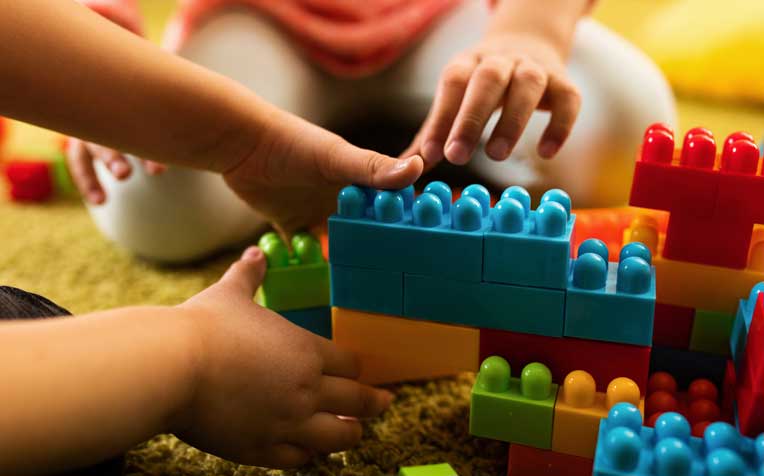
Kids’ toys like blocks and bricks, doll houses, doctor’s sets and dough play, work well to support the child’s development needs from the age of two to the pre-school years. This is the time when children enjoy longer and more imaginative play sequences and their play is more associative, cooperative and narrative.
Playing with toys and using the imagination through pretend play at this early age, has far-reaching benefits, positively impacting social, emotional and language development as well as creativity.
“Research has shown that children who engage in pretend play are able to use more cohesive oral language. Play provides a platform for social interaction, bonding with others and emotional growth,” Ms Lee says.
Besides providing age-appropriate toys, parents and caregivers can also facilitate correct social behaviours like taking turns and sharing, during play time.
Get tips on how to choose the right toys that will challenge and stimulate your child's mind.
Ref: T12
Contributed by


Stay Healthy the Easy Way
Get trusted health advice, offers and more.

Get the Health Buddy App


Follow HealthXchange

