






1. Habitual snoring in children may be a suggestion of obstructive sleep apnoea, hence it is important to seek medical attention for further assessment and evaluation.
2. Other common symptoms of OSA include pauses in breathing, choking or gasping in sleep, being sleepy in the day or behavioural problems.
3. The diagnosis of OSA involves overnight monitoring, either at home or in the hospital.
4. The most common cause of OSA in children is enlarged tonsils and adenoids. Therefore, the first line treatment is usually surgical removal of the enlarged adenoids and tonsils.
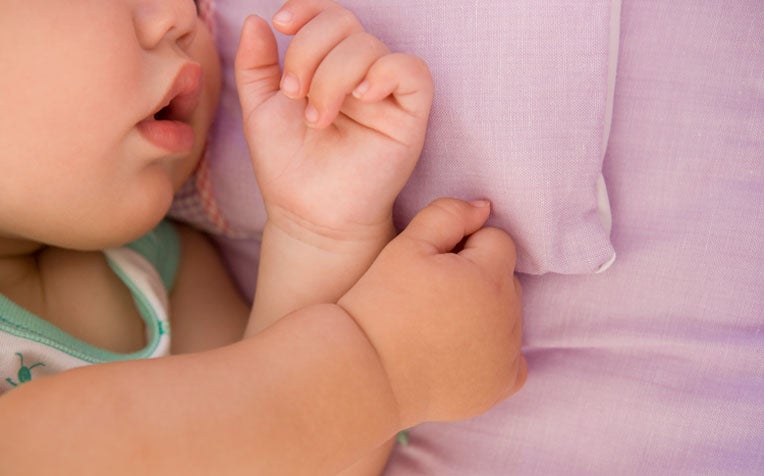
Snoring in children could be a symptom of an underlying sleep disorder.
Snoring is the sound caused by vibration or flapping of the tissues lining the upper air passages. Snoring may be a symptom of a spectrum of problems, including sleep disorders such as obstructive sleep apnea (OSA) – a potentially serious disorder associated with snoring, in which breathing is interrupted during sleep.
Up to 28% of healthy children snore occasionally, while habitual snoring (ie. snoring 3 or more times a week), affects 3 to 12% of children. Of these, 1 to 4% have obstructive sleep apnoea (in children).
What is obstructive sleep apnoea (OSA)?
Obstructive sleep apnoea (OSA) occurs when the upper airway is partially or completely blocked intermittently during sleep, leading to shallow breathing and/or pauses in breathing and/or disrupted sleep.
When children sleep, the muscles in the walls of the upper airway relax and fall together, causing them to vibrate. If the upper airway is narrower than usual, or if the throat muscles relax too much, this can cause blockage of the airway and interfere with the child’s breathing.
What causes snoring or OSA in children?
Snoring in most children is often due to multiple factors, each playing varying roles in the snoring process. The most common causes of snoring in a child include:
- Large tonsils and adenoids (most common cause in children)
- Nasal blockage caused by nasal allergy (“sensitive nose”) or deformities of the nasal septum (the cartilage partition between the two sides of the nose) can cause poor nasal airflow
- Obesity – the increase in fat deposits in the neck and throat narrows the airway and makes it more prone to collapse during sleep
Other less common factors which can influence snoring are:
- Facial bone abnormalities e.g. small jaw or narrow midface
- Certain underlying medical conditions that results in low muscular tone or weakened muscles
What are some symptoms of obstructive sleep apnoea (OSA)?
- Snoring 3 times a week or more (even when the child is well)
- Breathing pauses or choking or gasping during sleep
- Restless sleep
- Sleeping ith several pillows or propped up
- Difficulty waking up in the morning or feeling sleepy in the day (e.g., Falling asleep in class) even with sufficient sleep duration
- Behavioural problems e.g., hyperactivity, inattention
How is child snoring diagnosed
If your child has loud snoring, you are advised to consult your physician, who may then refer your child to a Sleep specialist for a thorough evaluation. The specialist may order tests including a pulse oximetry or a polysomnography (PSG). These tests involve monitoring certain parameters when the child is asleep, and can be done either at home or at the sleep lab, depending on the test. They are beneficial in not only diagnosing OSA, but also in determining how serious the issue is, which will guide management.
Treatment for snoring
Effective treatment is available for almost all patients. The treatment of snoring is divided into medical and surgical options. The choice of therapy will depend on the underlying cause and the extent of the problem.
Surgical
The first-line treatment for obstructive sleep apnea in children is typically surgery to remove the tonsils and the adenoids by an Ear, Nose & Throat (ENT) surgeon. Other surgical procedures for the treatment of snoring may include surgery of the nose, palate, jaw or tongue and/or neck, depending on the location of the tissues contributing to the snoring.
Medical
As nasal obstruction increases the frequency of snoring and sleep disordered breathing, your doctor may prescribe intranasal sprays and oral medications to help your child breathe through his/her nose better during sleep. Keep the bedroom environment clean, wash bedding regularly and remove soft toys on the bed. This aims to reduce dust and allergens that may irritate the upper airways and lead to nasal congestion.
For children with underlying nerve or muscle weakness or residual obstructive sleep apnea following surgery, CPAP (Continuous Positive Airway Pressure) may be used to supply pressurised air into the upper airway to keep it open. This is delivered via a machine that is connected to a mask which the child will have to wear when he or she sleeps.
If your child is overweight or obese, your doctor may also recommend weight loss by means of a combination of healthy diet and exercise. This is often used in conjunction with other treatments of OSA.
Ref: F26
Related article:
How to Cultivate Good Sleep Habits in Children


Stay Healthy the Easy Way
Get trusted health advice, offers and more.

Follow HealthXchange

